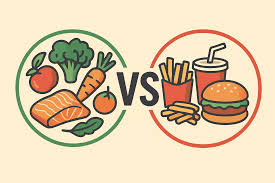
Healthy vs Junk Food

By Mohammad Soyav, Assistant Professor, Amity School of Hospitality, Amity University Gurugram
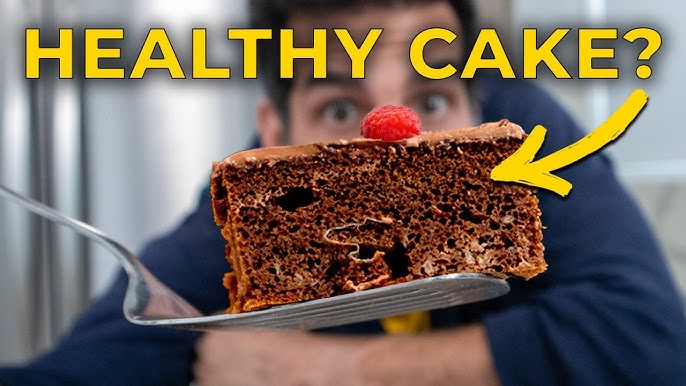
Can Cake Actually Be Healthy?
Everyone loves cake! Whether it’s a birthday party, a holiday, or just a treat after school, cake is usually the star of the show. But we’ve all heard our parents or teachers say, "Don’t eat too much cake, it’s not good for you".
For a long time, that was true. Traditional cakes are usually full of white sugar, white flour, and lots of butter. While they taste delicious, they don't give your body the "fuel" it needs to grow strong and stay energized.
But guess what? In 2026, things are changing! If you look closely at the shelves in the grocery store or visit a local bakery, you might find "healthy cakes." But can a cake really be healthy? Let’s find out.
How Do You Turn a "Junk Food" into a "Super Food"?
To make a cake healthy, bakers have to be like scientists. They take out the "empty" ingredients (things that give you a quick sugar rush but make you tired later) and swap them for "power" ingredients.
1. The Flour Power
Most cakes use white flour. This flour is "refined," which means all the good stuff (like fiber) was taken out.
2. The Sugar Secret
We all know sugar tastes great, but too much of it can be bad for our teeth and our energy levels.
3. Hidden Veggies (Yes, really!)
You might not believe it, but some of the yummiest healthy cakes have vegetables hidden inside them.
What Should You Look For?
If you are at the store with your parents, here is a simple guide to finding a "better-for-you" cake:
Look for these words:
What they mean:
Whole Grain
The flour has more fiber to help your tummy.
Naturally Sweetened
Uses fruit or honey instead of white sugar.
Plant-Based
Usually means it’s made without heavy fats like lard or extra butter.
High Protein
This cake helps build your muscles!
The "Health Trick": Don't Be Fooled!
Sometimes, a box of cake might look healthy because it has a picture of a leaf on it or says "Organic." But "Organic Sugar" is still sugar! Even a healthy cake is still a treat. It’s better for your body than a regular cupcake, but you shouldn't eat the whole cake in one sitting.
Think of it like this: A healthy cake is like a "Level 2" snack. It's much better than a "Level 1" sugary snack, but it’s still not the same as eating a bowl of fruit or a bunch of broccoli.
The Final Verdict
So, is there a healthy cake in the market? Yes! You can now find cakes that are made of nuts, fruits, and even beans that taste just as good as the ones from the supermarket bakery. They give you energy to run, play, and learn without making you feel sleepy or "sugar-sick" later.
The next time you want a treat, ask your parents to look for a cake with "simple ingredients" or try baking one at home using oats and bananas!
***************************
Let's understand more:
Skills required for the hospitality industry:
· Communication Skills
· Customer Service Skills
· Teamwork
· Problem-Solving Skills
· Attention to Detail
· Organizational Skills
· Leadership & Management Skills
Career opportunities in the hospitality industry?
· Hotel Management Roles
· Food & Beverage Services
· Event & Banquet Management
· Travel & Tourism
· Customer Relations & Guest Services
· Hospitality Education & Training
· Resort & Spa Management
Relevant courses in the hospitality industry.
· Bachelor of Tourism & Travel Management (Honours/Honours with Research)
********************************
Copyright © 2026 amity university | All rights reserved.