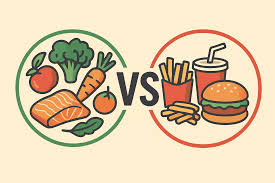
Healthy vs Junk Food

By Dr Luxita Sharma, Deputy Director, Amity Institute of Dietetics and Applied Nutrition, Amity University Gurugram
Introduction: Junk food, in most cases, ultra-processed, calorie-dense, nutrient-poor food with high levels of fat, sugar, and salt, is now a common part of dietary patterns worldwide. The term was initially used to describe foods with "low nutritional value"; however, the diets have since expanded to include fast foods, sugary beverages, deep, fried snacks, ready, to, eat meals, and packaged confectionery that have become the dominant global food environment due to factors such as convenience, aggressive marketing, and price. While an occasional treat may not be harmful, regular and high consumption is, without exception, associated with the development of bad health conditions in different organs and systems of the body. This review article assembles the evidence of research studies that have investigated the physiological, metabolic, and mental health effects of junk food consumption.
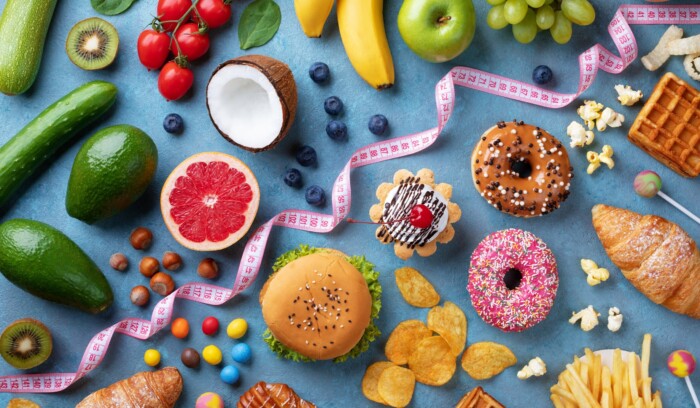
Junk foods are most often described as foods that contain high levels of refined sugars and that are rich in saturated and trans fats, as well as sodium, while being very poor in micronutrients and dietary fiber. The list consists of foods such as hamburgers, fries, pizza, fried snacks, and soft drinks, along with many packaged products. Their ultra-processed nature means they frequently have additives, preservatives, and flavor enhancers that make the product more palatable but provide almost no nutritional benefit. These foods make up major portions of dietary calories without the provision of the necessary vitamins, minerals, or fiber that are essential for metabolic health.
One of the most significant and extensively proven effects of junk food is its contribution to weight gain and obesity. Since these foods are energy-dense and very palatable, they are easy to overconsume, which then results in a positive energy balance. Studies indicate that consumption of fast foods and ultra-processed products is frequently linked to higher body mass index (BMI), increased abdominal fat, and elevated risk of both general and central obesity the most important predictors of metabolic health risks. Obesity is not only an increase in weight but also a major driver of insulin resistance, chronic inflammation, and metabolic dysregulation, thus creating the basis for various other chronic diseases. Mechanisms behind these effects involve excessive calorie intake, impaired satiety due to high glycemic loads, and alterations in gut hormones that stimulate appetite and fat storage. The connections between junk food and metabolic disorders, such as type 2 diabetes mellitus (T2DM), are very strong. The continuous consumption of foods rich in refined carbohydrates and added sugars causes repeated peaks in blood glucose and insulin demand, which, if persisted over time, may culminate in insulin resistance, the main feature of T2DM. Meta-analytic evidence suggests that higher consumption of unhealthy snacks and sweetened beverages increases the risk of diabetes and metabolic syndrome.
High sodium and saturated fats that are abundant in many junk food items have been identified as a cause of dyslipidemia and impaired glucose homeostasis. Besides, clinical studies point to the frequent consumption of processed and ultra-processed foods as a major factor that exacerbates hepatic lipid deposition, thus elevating the risk of non, alcoholic fatty liver disease.
Cardiovascular Health: The use of junk food is also a strong factor linked to the development of cardiovascular diseases (CVD). The intake of trans fats, saturated fats, and sodium-rich diets leads to an increase in LDL cholesterol levels, raises blood pressure, and causes endothelial dysfunction, which are the main risk factors for atherosclerosis and coronary heart disease. Systematic reviews show that a habitual fast food diet goes hand in hand with impaired lipid profiles and blood pressure abnormalities.
Additionally, obesity, because of junk food consumption, by itself exacerbates the cardiovascular load; thus, the chances of hypertension, stroke, and heart failure are greatly enhanced. Overconsumption of energy stores leads to the activation of systemic inflammation and oxidative stress pathways, which in turn damage the vascular system.
Junk food and its effect on the gastrointestinal system a major factors that are often neglected. An inadequate intake of dietary fiber not only impairs gut motility but also alters the microbiota, which in turn can lead to constipation, abdominal distension, and, in the long term, a state of dysbiosis. The high fat intake may result in the liver and pancreas being overwhelmed, thus affecting the production of digestive enzymes and favoring the deposition of fat in liver tissues. Furthermore, the frequent consumption of foods high in salt and fat has been associated with an increased risk of gastritis and other inflammatory conditions of the gastrointestinal tract.
Besides being a source of physical health problems, the consumption of junk food has also been associated with mental health issues, such as depression and stress, according to new evidence. A systematic review and meta-analysis found that a higher consumption of junk foods, including ultra-processed products, is linked to increased odds of depression and psychological stress. The relationships between these conditions and the use of junk foods are probably due to the deficiencies in nutrients, inflammatory processes, and fluctuating blood glucose levels that, in turn, affect brain function and mood regulation.
Mechanistic research indicates that high sugar diets interfere with neurotransmitter balance, while a lack of essential nutrients (such as omega-3 fatty acids, vitamins, and minerals) deteriorates neuronal health and cognitive functions. Continuous intake of junk food also leads to the degradation of oral and dental health, as the high sugar loads cause cavities and gum disease.
Excessive body fat can put pressure on the musculoskeletal system, resulting in joint pain and diseases like osteoarthritis. Although the link between junk food and cancer in direct terms is uncertain and often debated, those diet patterns high in processed meats and carcinogenic additives are identified as potential risk factors for colorectal and gastric cancers in certain populations.
Additionally, research on adolescent nutrition points out that poor dietary habits displace nutritionally dense foods, thus leading to nutritional deficiencies like iron deficiency anemia, particularly in female adolescents whose diets consist mostly of unhealthy snacks.
Public health studies reveal that increased junk food consumption is a consequence of socio-economic factors, such as aggressive food marketing, availability in food deserts, and low levels of regulation in most countries. Some areas have implemented measures like the imposition of taxes on high-fat and high-sugar foods, which has resulted in the reduction of purchase and consumption, thus, the prevalence of obesity and associated health issues can be lowered.
Consistently eating junk food has been linked to various negative health consequences such as obesity, metabolic disorders, cardiovascular diseases, anxiety and depression, digestive problems, and nutritional deficiencies. A slip, up once in a while, is unlikely to cause any harm right away, but the long-term effects of a large intake, especially when it is part of a habitual diet, entail considerable risks for both individual and public health. In order to lessen these harms, dietary patterns need to focus on whole, nutrient-rich foods like fruits, vegetables, whole grains, lean proteins, and foods that are minimally processed. Public health measures, education, and policy changes are indispensable in lessening the diet-related chronic disease load worldwide.
*******************************
Let's understand more in details:
Skills Required to be a good Dietitian & Nutrition:
Career opportunities for a Dietitian & Nutrition:
Relevant Courses in B.sc Dietetics & Applied Nutrition:
· B.Sc. Dietetics & Applied Nutrition (Hons/ Hons with Research)
· Bachelor in Nutrition and Dietetics (Honours)
· M.Sc. Dietetics & Applied Nutrition
· Doctor of Philosophy (Dietetics & Applied Nutrition)
· Doctor of Philosophy (Dietetics & Applied Nutrition) - Part Time
***************************
References
Sinha, S., & Haque, M. (2022). Obesity, diabetes mellitus, and vascular impediment as consequences of excess processed food consumption. Cureus, 14(9).
Payab, M., Kelishadi, R., Qorbani, M., Motlagh, M. E., Ranjbar, S. H., Ardalan, G., ... & Heshmat, R. (2015). Association of junk food consumption with high blood pressure and obesity in Iranian children and adolescents: the Caspian‐IV Study. Jornal de Pediatria (Versão em Português), 91(2), 196-205.
Bahadoran, Z., Mirmiran, P., & Azizi, F. (2016). Fast food pattern and cardiometabolic disorders: a review of current studies. Health promotion perspectives, 5(4), 231.
Ejtahed, H. S., Mardi, P., Hejrani, B., Mahdavi, F. S., Ghoreshi, B., Gohari, K., ... & Qorbani, M. (2024). Association between junk food consumption and mental health problems in adults: a systematic review and meta-analysis. BMC psychiatry, 24(1), 438.
Temple, N. J. (2024). Making sense of the relationship between ultra-processed foods, obesity, and other chronic diseases. Nutrients, 16(23), 4039.
Pagliai, G., Dinu, M., Madarena, M. P., Bonaccio, M., Iacoviello, L., & Sofi, F. (2021). Consumption of ultra-processed foods and health status: a systematic review and meta-analysis. British journal of nutrition, 125(3), 308-318.
Salomé, M., Arrazat, L., Wang, J., Dufour, A., Dubuisson, C., Volatier, J. L., ... & Mariotti, F. (2021). Contrary to ultra-processed foods, the consumption of unprocessed or minimally processed foods is associated with favorable patterns of protein intake, diet quality and lower cardiometabolic risk in French adults (INCA3). European Journal of Nutrition, 60(7), 4055-4067.
Jia, S. S., Wardak, S., Raeside, R., & Partridge, S. R. (2022). The impacts of junk food on health. Frontiers for Young Minds, 10(694523), 1-7.
Murugesan, V., & Mahendraprabu, M. (2024). Impact on junk food health. Int J Emerg Knowl Stud, 3(1), 15-8.
Rajveer, B., & Monika, O. (2012). Junk food: Impact on health. Journal of Drug Delivery & Therapeutics, 2(3), 67-73.
Copyright © 2026 amity university | All rights reserved.