The Distance That Costs: Transportation and Urban Housing Affordability

By: Dr Doreshor Khwairakpam, Associate
Professor, Amity School of Architecture and Planning, Amity University Gurugram
Introduction: The
North-East region of India, often referred to as the "Seven Sisters,"
namely, Arunachal Pradesh, Assam, Manipur, Meghalaya, Mizoram, Nagaland, and
Tripura states (Coined by Jyoti Prasad Saikia in 1972). This northeast region
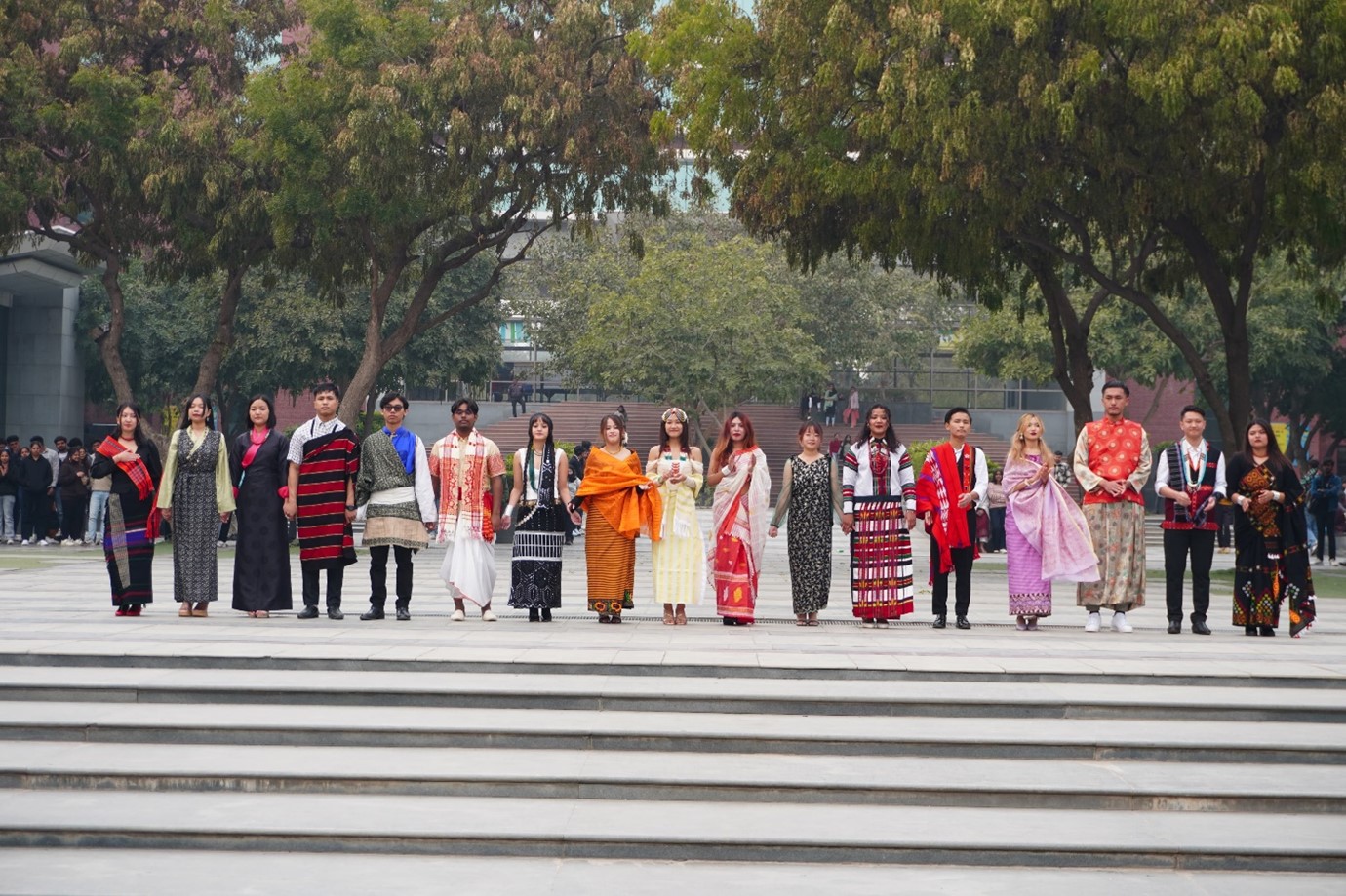
has a unique culture of its own, mosaic of different geographical scenic beauty
in all states, consisting of numerous ethnic groups, 225 tribes, communities,
and is notable for its immense linguistic diversity with approximately 220
unique languages and dialects, many of which are oral and endemic (Das. B.,
2023). All states have unique traditional practices, knowledge, and values
shaped by its diverse natural landscapes.
Glance of the Northeast Region of India.
The
Northeast region of India comprises seven states with diverse demographic
profiles. As per census 2011 report, Assam has the largest population in the
region, with about 3.12 crore people, followed by Tripura (36.7 lakhs),
Meghalaya (29.7 lakhs), Manipur (27.2 lakhs), Nagaland (19.8 lakhs), and
Arunachal Pradesh (13.8 lakhs). Mizoram has the smallest population, with
approximately 10.97 lakhs. In terms of literacy rate, Mizoram recorded the
highest literacy rate in the Northeast at approximately 98.2 per cent, followed
by Nagaland (95.7 per cent), Tripura (95.6 per cent), Meghalaya (94.2 per cent),
Manipur (92.0 percent), Assam (87.0 per cent), and Arunachal Pradesh (84.2
percent). Overall, the scenario is that Mizoram and Tripura are the leading
states in the region. For the sex ratio, Manipur recorded the highest sex ratio
in the region, with 992 females per 1,000 males. Meghalaya, Assam, and Mizoram
also reported sex ratios above the national average of 940, while Sikkim and
Nagaland recorded the lowest sex ratios among the northeastern states.
The
Northeast region of India is characterized by a complex and diverse
physiography, dominated by hills, mountains, plateaus, and river valleys that
together create a striking natural landscape. This rich geographical diversity
has significantly influenced the cultural mosaic of the region, giving rise to
varied traditions and practices that reflect the unique identity of Northeast
India within the broader national context.
The major river namely, Brahmaputra and Barak rivers systems play a crucial role in shaping the geography of Northeast India particularly led to the development in agriculture sector. The Brahmaputra River flows through Arunachal Pradesh and Assam, creating extensive alluvial plains that are fertile and agriculturally productive. These plains support dense population concentrations and are prone to seasonal flooding. The Barak River flows through southern Assam and into Bangladesh, forming an important drainage system in the region.
Climatic conditions of the Northeast region have been experiencing a humid subtropical to alpine climate, heavily influenced by the southwest monsoon that supports the agricultural practice of rice growing season, especially in the state of Manipur. The region receives some of the highest rainfall in the world, particularly in areas of Mawsynram and Cherrapunji in Meghalaya state. This abundant rainfall supports dense forest cover, rich biodiversity, and varied vegetation ranging from tropical evergreen forests to alpine meadows.
The ecology of the Northeast region, India, has a strong influence on its culture, as the region’s forests, rivers, hills, and climate shape everyday life and traditions. Indigenous communities have developed nature-based livelihoods such as shifting cultivation, terrace farming, fishing, and handicrafts, which are closely linked to the local environment. Respect for forests, wildlife, and rivers is deeply embedded in social customs, festivals, and belief systems, reflecting a harmonious relationship between ecology and culture in the region.
North-East Indian Knowledge System
(NEIKS)
The
North-East Indian Knowledge System (NEIKS) is deeply rooted in various domains
reflecting the interaction between its people and the environment. In this
region, “The North-East Indian Knowledge System” (NEIKS) is a rich and holistic
tradition shaped by the region's close interaction with its natural environment
(Devi., 2025). Tribal communities have developed sustainable ecological
practices, such as Jhum cultivation in Nagaland and Arunachal Pradesh, which
demonstrate deep knowledge of soil fertility and seasonal rhythms, while sacred
groves in Meghalaya help conserve biodiversity through spiritual reverence (Pait
& Taba, 2021; Sharma & Deka, 2018). Traditional methods of water
conservation and forest management further sustain local livelihoods. This
region also holds vast ethnobotanical knowledge, with healers like the Ojha,
Bhumij, and Baiga using native medicinal plants in oral healing traditions
passed down through generations (Berkes., 2012). Spiritual and
cosmological systems—such as Donyi-Polo in Arunachal Pradesh, Bathouism in
Assam, and various animistic beliefs—guide cultural practices and foster a deep
respect for nature. With over 200 languages and dialects, oral traditions like
storytelling, myths, and songs serve as vital tools for transmitting ecological
wisdom and social values. Additionally, indigenous architecture, such as stilt
houses in Mizoram and Nagaland, reflects adaptation to the environment, while
traditional weaving preserves cultural identity through unique tribal patterns
(Singh, K., 2025).
The North-East Indian Knowledge System enriches the classical Indian Knowledge System by emphasising community-based, oral, and environmentally harmonious wisdom. It contributes ecological insight, spiritual diversity, and localised knowledge, offering valuable perspectives for sustainable development, biodiversity conservation, and climate resilience. This knowledge is gaining recognition for its role in addressing contemporary environmental and social challenges.
Conclusion: The North-East Indian Knowledge System (NEIKS) is a vital part of India’s cultural and intellectual heritage, rooted in ecological sustainability, spiritual harmony, and oral traditions. Its unique contributions enhance the broader Indian Knowledge System, offering valuable insights for sustainable living, biodiversity conservation, and resilience in the face of modern challenges.
*******
Copyright © 2026 amity university | All rights reserved.