The Brave Choice: Why Asking for Help is a Counselor’s Highest Form of Strength

Introduction:
The construction industry is one of the largest consumers of natural resources
and a major contributor to environmental pollution, greenhouse gas emissions,
and energy consumption. Rapid urbanization and infrastructure development have
intensified the demand for construction materials such as cement, steel, and
aggregates, leading to depletion of natural resources and increased carbon
footprint. In this context, sustainable
construction and the use of green materials have emerged as essential
approaches to minimize environmental impact while ensuring economic and social
benefits.
Concept
of Sustainable
Construction
Sustainable construction refers to the
planning, design, construction, operation, and maintenance of buildings in a
way that reduces negative impacts on the environment and human health. It
focuses on optimizing the use of energy, water, and materials, while enhancing
the quality and durability of the built environment. The primary goal of
sustainable construction is to meet present needs without compromising the
ability of future generations to meet their own needs.
This approach considers the entire life cycle of a building, including material extraction, manufacturing, transportation, construction, operation, maintenance, and end-of-life disposal or recycling. By adopting sustainable practices, construction projects can significantly reduce waste generation, energy consumption, and emissions.
Green Materials
in Construction
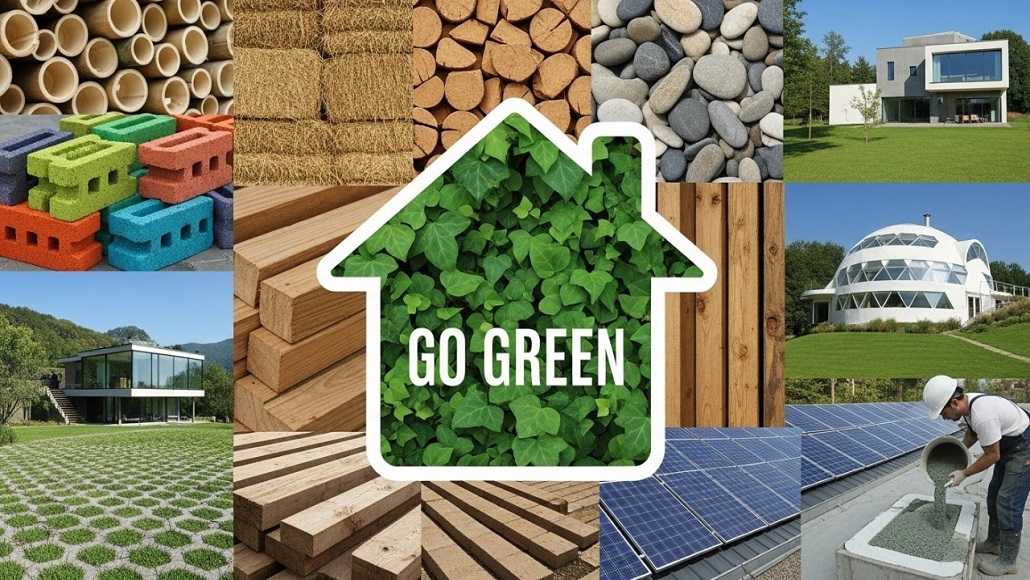
Green materials are environmentally
friendly materials that have a low impact on human health and the environment.
These materials are typically renewable, recyclable, energy-efficient, and
non-toxic. The selection of green materials plays a crucial role in achieving
sustainability in construction.
One widely used green material is fly ash, a by-product of thermal power plants. Fly ash is used in the production of fly ash bricks and blended cement, reducing the demand for natural clay and lowering carbon dioxide emissions associated with cement manufacturing. Similarly, geopolymer concrete, which utilizes industrial by-products like fly ash and slag, offers high strength and durability with significantly reduced carbon emissions compared to conventional concrete.
Bamboo
is another excellent green material due to its rapid growth, high
strength-to-weight ratio, and renewability. It is increasingly used in
structural components, flooring, and scaffolding. Recycled steel and aggregates help conserve natural resources and
reduce energy consumption required for material production. Additionally, engineered wood products, such as
cross-laminated timber (CLT), provide sustainable alternatives to traditional
construction materials.
Low-emission materials such as low-VOC (Volatile Organic Compounds) paints,
adhesives, and sealants improve indoor air quality and reduce health
hazards for occupants. Insulation materials made from recycled paper, cork, or
natural fibers also contribute to energy efficiency and sustainability.
Energy Efficiency
and Resource Conservation
Sustainable construction emphasizes
energy-efficient building design through proper orientation, natural
ventilation, daylight utilization, and high-performance building envelopes. The
integration of renewable energy systems such as solar panels, wind turbines,
and geothermal systems further reduces dependency on fossil fuels.
Water conservation is another critical
aspect. Techniques such as rainwater harvesting, wastewater recycling, and the
use of water-efficient fixtures significantly reduce water consumption.
Sustainable construction also encourages efficient land use and preservation of
natural ecosystems.
Environmental and Economic
Benefits
The adoption of sustainable construction practices and green materials offers numerous environmental benefits. It helps reduce greenhouse gas emissions, minimizes construction waste, conserves natural resources, and mitigates climate change impacts. Improved indoor environmental quality enhances occupant comfort, productivity, and health.
From an economic perspective, although
the initial cost of sustainable construction may be slightly higher, it leads
to substantial long-term savings through reduced energy and water bills, lower
maintenance costs, and increased building lifespan. Sustainable
buildings often have higher market value and better compliance with
environmental regulations.
Challenges
and Future
Scope
Despite its advantages, sustainable
construction faces challenges such as higher upfront costs, limited awareness,
lack of skilled manpower, and inadequate availability of green materials in
some regions. However, government initiatives, green building rating systems
(such as LEED, GRIHA, and BREEAM), and increasing environmental awareness are
promoting the adoption of sustainable practices.
The future of construction lies in
innovative materials, smart technologies, and circular economy concepts where
waste is minimized and materials are reused or recycled. Advances in material
science, digital construction, and policy support will further accelerate the
transition toward sustainability.
Conclusion
Sustainable construction and green materials are no longer optional but a necessity in today’s rapidly developing world. By adopting eco-friendly materials, energy-efficient designs, and responsible construction practices, the industry can significantly reduce its environmental impact while promoting economic growth and social well-being. Sustainable construction ensures a healthier environment, efficient use of resources, and a resilient built environment for future generations.
*******





Copyright © 2026 amity university | All rights reserved.