The Brave Choice: Why Asking for Help is a Counselor’s Highest Form of Strength

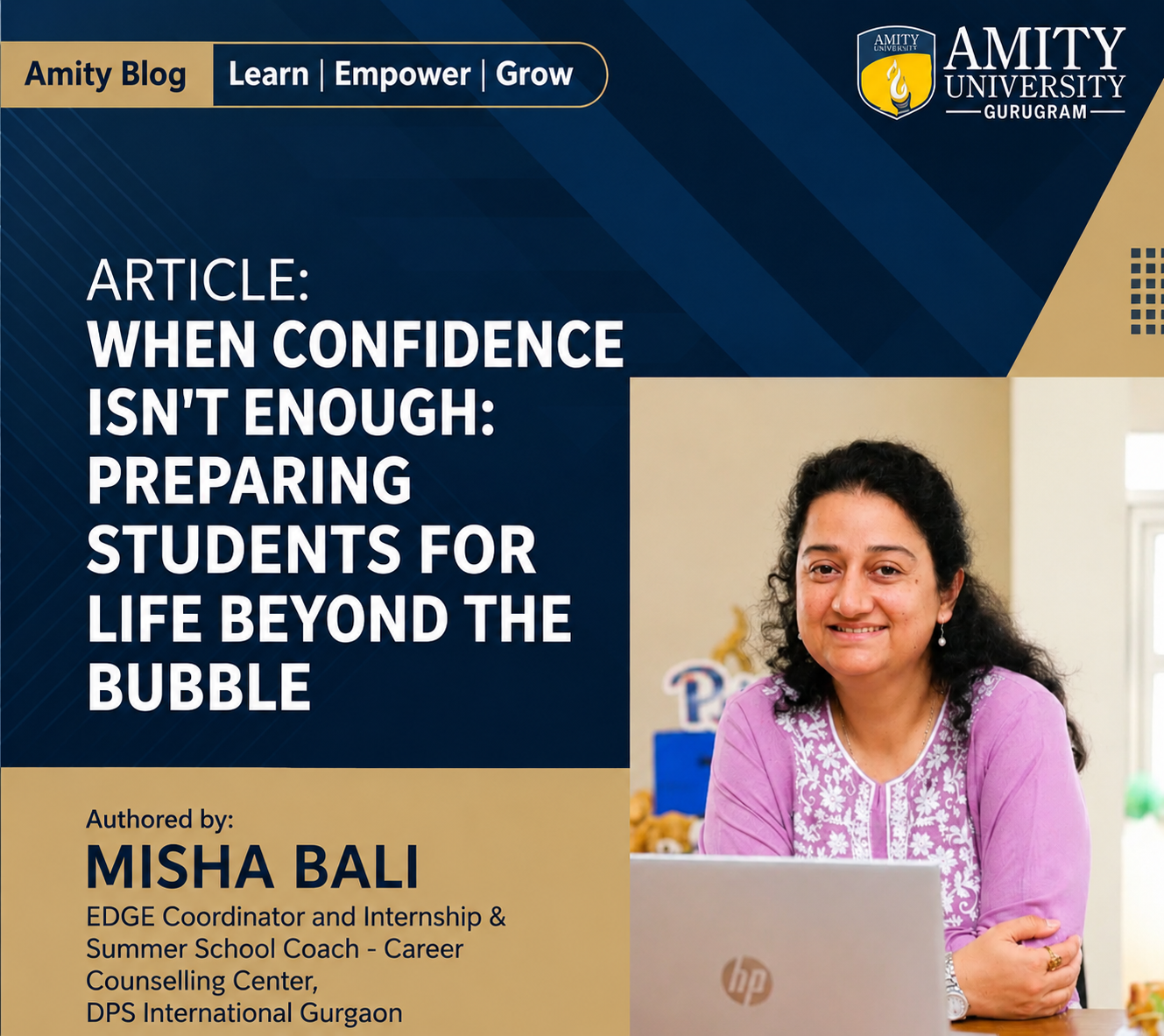
While my academic qualifications opened doors, it was communication, collaboration, adaptability, emotional intelligence, and relationship-building that enabled me to grow, navigate challenges, and create meaningful opportunities. My career, in many ways, has been built on connecting people, facilitating dialogue, and aligning diverse stakeholders toward shared goals.
Throughout my professional journey, I have worked in dynamic, multi-departmental environments, engaging with individuals from varied functions, cultures, and levels of seniority. My experience spans alumni relations, internships and placements, university outreach, vendor partnerships, and stakeholder engagement involving students, parents, educators, and institutions.
In my current role, I collaborate closely with Grade XII educators to coordinate Letters of Recommendation, facilitate transcripts and university documentation, and manage internship opportunities. I have also led large-scale initiatives such as the Annual Global University Fair and the Indian University Fair, bringing together over forty universities and organizations, along with numerous university visits, career sessions, and industry interactions.
While these responsibilities appear varied, they are all anchored in a single foundation: effective communication and collaboration.
Whether it is a student counselling session, a university interaction, or a large-scale event, success depends on the ability to listen, understand perspectives, build trust, and coordinate seamlessly across multiple stakeholders. These are competencies that cannot be measured through examinations, yet they are often the defining factors of professional success.
This realization leads to a broader and more important question: Are we valuing these skills enough within our education systems?
Encouragingly, the answer is increasingly yes.
Schools today are gradually shifting beyond a marks-driven approach toward holistic development. Greater emphasis is being placed on profile building, social-emotional learning, creativity, leadership, entrepreneurship, and community engagement. Students are being provided opportunities to collaborate, take initiative, show empathy, solve problems, and innovate.
Whether it is creating sustainable products, leading awareness campaigns, participating in internships, engaging in research, or developing entrepreneurial solutions, these experiences cultivate skills that remain relevant regardless of how industries evolve.
This shift is particularly critical in a world that is changing at an unprecedented pace. Artificial Intelligence is transforming industries and redefining roles, and many students will eventually work in careers that do not yet exist.
In such a landscape, technical knowledge alone is insufficient.
The ability to communicate effectively, collaborate across diverse environments, think critically, adapt to change, and demonstrate resilience will be key to long-term success. These capabilities enable individuals to navigate uncertainty with confidence and purpose.
Through my interactions with universities, employers, educators, and students, one insight has consistently stood out: academic performance may create initial opportunities, but it is interpersonal effectiveness that sustains and advances them. Employers increasingly seek individuals who can contribute meaningfully in teams, communicate clearly, manage relationships, and approach challenges with maturity and professionalism.
This evolving direction in education is not only relevant—it is essential.
The purpose of education cannot be limited to academic achievement alone. It must also prepare young people to engage thoughtfully with the world around them. It should foster character alongside competence, empathy alongside excellence, and communication alongside knowledge.
As someone whose career has been defined far more by people skills than by academic credentials, I find this shift both reassuring and necessary.
Perhaps this is the true purpose of education: to develop individuals who are capable, compassionate, and confident—ready not just for careers, but for life itself.
*************************************
Copyright © 2026 amity university | All rights reserved.