ESG Reporting & Sustainability Accounting

By: Dr Savita, Assistant Professor, Amity College of Commerce, Amity University Gurugram
Introduction: Blockchain – The Next Frontier in Accounting
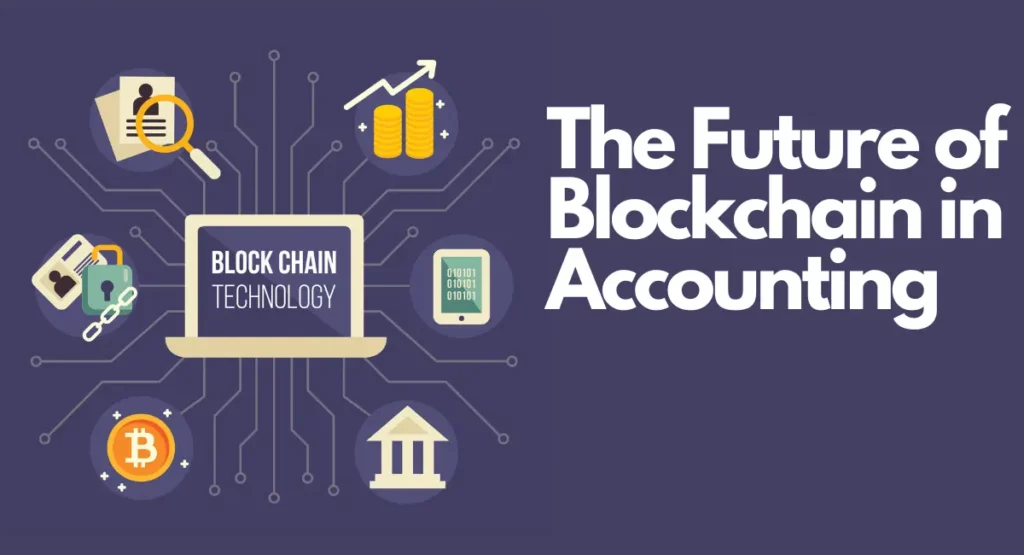
Blockchain technology has experienced exponential growth, and innovation is being driven by developers, entrepreneurs, and enterprises worldwide. The World Economic Forum lists blockchain as one of the top ten emerging technologies of 2016. Blockchain, according to the Oxford Dictionary, is "a digital ledger in which transactions made in bitcoin or another cryptocurrency are recorded chronologically and publicly."
An internet-based peer-to-peer network that uses computer-powered cryptography to enable value transactions is built on blockchain technology. Parties can complete transactions without the conventional trusted middleman, such a bank or credit card network, thanks to computers on the network (nodes) that concurrently verify and record transactions. The entire blockchain community is responsible for verifying the ledger. A blockchain makes it almost impossible to change the data in the digital ledger. An internet-based peer-to-peer network that uses computer-driven cryptography to facilitate value exchange is made possible by blockchain technology. Through the collective verification and recording of transactions by computers (nodes) in this network, parties are able to interact directly without the need for conventional trusted middlemen like banks or credit card networks. The blockchain community shares the burden of ledger verification, which makes the digital ledger very safe and challenging to tamper with. It's crucial to remember that blockchain technology differs from Bitcoin. It is possible to think of Bitcoin as a starting point for learning about the broader uses of blockchain technology. Bitcoin is essentially the internet's equivalent of email.
Blockchain Accounting: A New Era in Accounting and Auditing: Under blockchain accounting, all transactions are recorded in a virtual block, and over time, new blocks are created and securely linked to the preceding blocks in the chain. These blocks are accessible to all parties involved in the transaction, making blockchain an efficient and reliable system for recording, storing, and sharing accounting information. Accounting, auditing, and compliance impose high costs on businesses worldwide. Blockchain accounting has the potential to substantially reduce these expenses. For instance, a company can record all its transactions on an internal blockchain and maintain them in a centralized yet tamper-resistant system. Similarly, external auditors can access and examine a company’s financial records in real time.
Technological advancements are reshaping the accounting profession in almost every aspect. Blockchain technology is predicted to have a big impact on accounting by changing how accountants do their jobs. Accounting has always been a respected field since it provides important financial information to both internal and external customers. However, blockchain is increasingly viewed as a disruptive force within the accounting industry.
************************
Let's understand more:
Skills required to be good in Commerce
· Numerical Ability
· Analytical Skills
· Business Awareness
· Communication Skills
· Problem-Solving Skills
· Organizational Skills
Career Opportunities in Commerce
· Chartered Accountant
· Company Secretary
· Banking & Finance Jobs
· Business Management
· Accounting & Auditing
· Teaching & Academia
Relevant courses in Commerce?
· B.Com. (Honours/Honours with Research)
· M.com
********************
Copyright © 2026 amity university | All rights reserved.