
ESG Reporting & Sustainability Accounting

By Ms Shivangi Sharma, Research Scholar, Amity Institute of Dietetics and Applied Nutrition, Amity University Gurugram
Introduction:
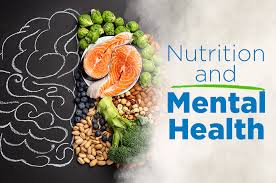
Mental health and nutrition are two of the major factors that are being defined to be interdependent aspects of the overall well-being of a human being. Of course, biological, psychological, and social factors play a role in mental disorders; however, the studies of nutritional psychiatry have an amazing revelation about the fact that what we eat and how much nutrients we take can affect our mood, cognitive function, and mental health development throughout life. This publication looks at the present studies related to the impact of nutrition on mental health, describes the main connections between diet and psychological functioning, and evaluates the repercussions for prevention and treatment strategies.
Nutritional psychiatry is a very broad and complex research field that primarily focuses on the effects of food consumption, nutrient intake, and gut microbiome on the emotional and cognitive well-being of humans. In the past, psychiatry and nutrition were considered as two separate and unrelated disciplines; however, recent research in the last ten years has shown that the quality of one's diet is highly correlated with mental health, even after controlling for other factors. The results show that healthy eating patterns are associated with decreased symptoms of depression, anxiety, and mood disorders, while unhealthy diets increase the risk of these conditions.
One of the revelations in epidemiological studies is the connection between the overall quality of diet and mental health. Diets that are high in fruits, vegetables, whole grains, legumes, fish, and unsaturated fats, like Mediterranean-style diets, have been found to have lower rates of depression and anxiety. These types of diets deliver a wide range of antioxidants, anti, anti-inflammatory compounds, vitamins, and minerals that nourish neurons and are involved in mood regulation. On the other hand, Western dietary patterns consisting of large amounts of processed foods, refined sugars, saturated fats, and low nutrient density are associated with an increased risk of depressive symptoms and cognitive decline e.g., longitudinal studies have shown that poor dietary habits frequently lead to the development of depressive symptoms, thus, diet may be a direct contributor to the etiology of mental disorders.
The brain requires various nutrients, some of which have a major impact on mood regulation and cognitive functions:
Omega, 3 Fatty Acids, Omega-3, 3 polyunsaturated fatty acids (PUFAs), such as EPA and DHA, are the main components of neuronal membranes and are responsible for neurotransmission. Several clinical studies have shown that omega-3 supplementation can alleviate depressive symptoms, especially when combined with other therapies in mood disorders. The best sources of omega 3 fatty acids are fatty fish (such as salmon, sardines), flaxseeds, chia seeds, and walnuts.
Vitamins and Minerals - B vitamins (B6, B9/folate, B12) are the main contributors to the synthesis of neurotransmitters and the metabolism of homocysteine, both factors involved in the regulation of mood. Deficiencies of these vitamins have been linked to symptoms of irritability, fatigue, and depression. By the same token, minerals such as magnesium, zinc, and iron have an impact on neurochemical pathways and inflammatory status, thus have the potential to influence the mood and mental performance.
Dietary Fiber and the Gut-Brain Axis - Fibre is the main energy source for gut microbiota, which, in turn, greatly affects the gut-brain axis, a communication system between the central nervous system and the gastrointestinal tract. The microbiome synthesizes neuroactive substances (like serotonin, GABA) that have an effect on mood and behavior. Some observational studies suggest that there is a dose-dependent relationship between fiber consumption and the risk of depression. Fermented foods and prebiotics provide additional support to microbiome health and may be a source of a positive mood. Biological Pathways Linking Diet to Mental Health. Nutrition is passed through a number of biological mechanisms before it exerts its effects on mental health: Inflammation and Oxidative Stress. Inflammation that is chronic is among the causes of depression and cognitive decline. Diets high in refined sugars and saturated fats lead to systemic inflammation and oxidative stress, which in turn facilitate neuroinflammatory processes. On the other hand, eating patterns rich in antioxidants and anti, anti-inflammatory nutrients (like polyphenols) not only prevent oxidative damage but also contribute to neural resilience.
Neurotransmitter Synthesis, Basically, components of food become precursors that are needed for neurotransmitter production. For example, amino acids that are derived from food are the building blocks of serotonin and dopamine, chemical messengers that directly mediate mood. In fact, B vitamins serve as cofactors in these enzymatic routes, thus highlighting the importance of micronutrient sufficiency for mental health.
Gut, Brain Communication, Gut microbiota speaks to the brain via neural, hormonal, and immune pathways. A diverse and well-balanced microbiome encourages the synthesis of neuroactive compounds and regulates systemic inflammation, which may have positive effects on mood and the ability to cope with stress. On the other hand, dysbiosis, which is usually due to a diet of low quality, is associated with mood disorders and cognitive impairments.
Clinical and Public Health Implications, The use of nutritional strategies in the treatment of mental illnesses is accompanied by multiple advantages. Dietary measures are low-cost, easy to implement, and, if individually adjusted, are almost without side effects. In a number of randomized controlled trials, diet modification (e.g., Mediterranean-style diet interventions) has been associated with alleviation of depressive symptoms and better mood when compared to control groups; however, the evidence is still in its infancy.
Public health interventions focusing on creating healthy food environments at the population level may lead to a decrease in the prevalence of mental disorders as well as a reduction in healthcare burdens. In addition, nutritional screening and counseling should be standard practice for individuals with mental health issues, and there should be a collaborative interdisciplinary team effort involving dietitians, psychiatrists, and primary care providers.
While there are strong associations, most of the evidence relating nutrition to mental health is observational; thus, it is difficult to establish causality. Therefore, the field urgently requires further large-scale, long-term randomized controlled trials to not only confirm causality but also provide a clear understanding of the optimal dietary recommendations for mental health outcomes. Moreover, studies should consider the personalized nutrition approach based on genetic, metabolic, and microbiome profiles.
Nutritional psychiatry, an emerging field, highlights that diet is not only the basis of physical health but also has a significant impact on mental health. Consistently, high-quality diets rich in unprocessed foods, essential fatty acids, vitamins, minerals, and fiber have been associated with reduced risks of depression and anxiety, while diets primarily consisting of processed foods and sugars have been connected to negative psychological outcomes. The evidence is still building; however, current research exists to support the incorporation of nutrition-based strategies in mental health prevention and treatment. As researchers and practitioners continue to explore the mechanisms of diet, brain interactions, nutrition will probably be one of the indispensable elements of holistic mental health care.
****************************************
Let's understand more Details:
Skills Required to be a good Dietitian.
· Strong knowledge of nutrition and dietetics
· Good communication skills to explain diet plans clearly
· Empathy and compassion for understanding clients’ needs
· Analytical skills to assess health data and dietary habits
· Problem-solving ability to create effective meal plans
Career opportunities for a Dietitian.
· A Clinical Dietitian
· Community Dietitian
· Sports Nutritionist
· Corporate Wellness Consultan
· Food Industry / Product Development
· Research and Academia
· Private Practice / Consultancy
· Media / Health Communication
Relevant Courses in B.sc Dietetics & Applied Nutrition.·
. B.Sc. Dietetics & Applied Nutrition (Hons/ Hons with Research)
· Bachelor in Nutrition and Dietetics (Honours)
· M.Sc. Dietetics & Applied Nutrition
· Doctor of Philosophy (Dietetics & Applied Nutrition)
· Doctor of Philosophy (Dietetics & Applied Nutrition) - Part Time
****************************
References
Dimopoulou, M., Dimopoulou, A., & Gortzi, O. (2025). Dietary Patterns and Mental Health Across the Lifespan: A Systematic Review of Randomized Clinical Trials. Psychology International, 7(4), 87.
Keyme, R., & Kleiner, J. Diet and mental health: how what you eat affects your mood, mind, and more.
Warren, A., & Frame, L. A. (2025). Restoring a Healthy Relationship with Food by Decoupling Stress and Eating: A Translational Review of Nutrition and Mental Health. Nutrients, 17(15), 2466.
Marano, G., Traversi, G., Mazza, O., Caroppo, E., Capristo, E., Gaetani, E., & Mazza, M. (2026). The Immune Mind: Linking Dietary Patterns, Microbiota, and Psychological Health. Nutrients, 18(1), 96.
Levová, L., & Smith, M. A. (2024). The Moderating Role of Dietary Quality and Dietary Fibre Intake on the Mood Effects of Positive Expressive Writing: A Pilot Study. Nutrients, 16(17), 2875.
Krenek, A. M., Aggarwal, M., Chung, S. T., Courville, A. B., Farmer, N., Guo, J., & Mathews, A. (2025). Influence of a Virtual Plant-Based Culinary Medicine Intervention on Mood, Stress, and Quality of Life Among Patients at Risk for Cardiovascular Disease. Nutrients, 17(8), 1357.
Kris-Etherton, P. M., Petersen, K. S., Hibbeln, J. R., Hurley, D., Kolick, V., Peoples, S., ... & Woodward-Lopez, G. (2021). Nutrition and behavioral health disorders: depression and anxiety. Nutrition reviews, 79(3), 247-260.
Horovitz, O. (2025). Nutritional Psychology: Review the Interplay Between Nutrition and Mental Health. Nutrition Reviews, 83(3), 562-576.
Hakkarainen, R., Partonen, T., Haukka, J., Virtamo, J., Albanes, D., & Lönnqvist, J. (2004). Food and nutrient intake in relation to mental wellbeing. Nutrition Journal, 3(1), 14.
Copyright © 2026 amity university | All rights reserved.