When Small Things Change Everything: Nanoscience Igniting a Revolution in Human Civilization

By Dr Deepti Singh, Assistant Professor, Amity Institute of Biotechnology, Amity University Gurugram
Introduction: “You don’t need to be big to change the world. Sometimes, you just need to be microscopic.”
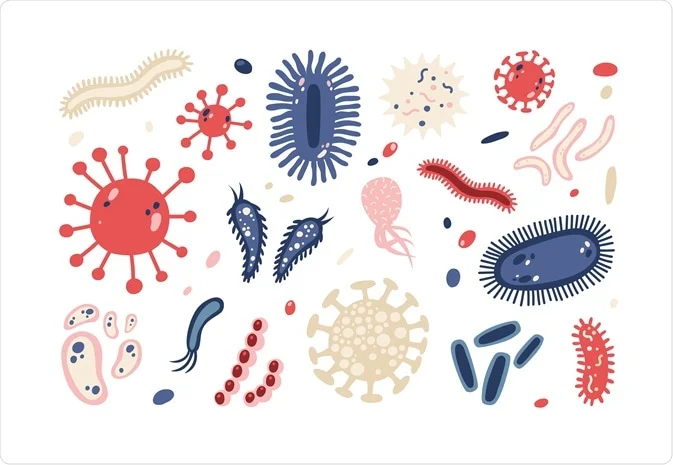
Microorganisms such as bacteria, fungi, yeast, and algae are microscopic forms of life that have played a vital role in shaping human civilisation. Although invisible to the naked eye, microbes have been closely associated with human life since ancient times. The deliberate use of microorganisms for human benefit is known as microbial technology or biotechnology. From the preparation of food and beverages in ancient civilisations to the large-scale production of antibiotics, enzymes, cosmetics, and bio-based products in modern industries, microbial technology has revolutionised human life. This essay discusses the significance of microbial technology from ancient times to the present day, focusing on food, beverages, medicines, enzymes, and cosmetics.
In ancient times, humans used microorganisms unknowingly. They observed natural processes and learned to utilize them through experience and tradition. One of the earliest applications of microbes was in food fermentation. From dairy to cereals and meat/fish, the fermented products were an integral part of human culture and civilization. In India, fermented foods like curd, idli, dosa, dhokla, kanji, and pickles have been consumed for centuries. Globally also the fermented food like cheese, sauerkraut, yogurt, kimchi, kefir, and other fermented products were consumed on a large scale. Fermentation improved taste, texture, shelf life, and nutritional value of food. These foods were easier to digest and had improved nutritional quality, showing the early importance of microbes in human diet.
Apart from the food, the fermented beverages like wine, beer, toddy, rice beer, vinegar were prepared by ancient civilizations across the world. Though people did not know about microbes, they relied on fermentation for preservation and enjoyment.
This observation of ancient people and benefits from fermented food and beverages laid the foundation of industrial food microbiology where the controlled and industrial conditions ensure safety, quality, and large-scale production. Microbes are used as starter cultures in food industries like Dairy industry (Lactobacillus and Streptococcus species are used in yogurt, cheese, butter milk, and probiotic drinks), Bakery industry (Yeast is used for bread, cakes, and pastries), alcoholic and non-alcoholic beverages and other fermented foods. This led to the establishment of billion-dollar industry setups like Amul, Nestlé, Britannia, United Breweries (Kingfisher), Sula Vineyards, Danone Yakult.
Microorganisms not only helps in the production of healthy fermented foods & beverages; they also play an inevitable role in pharmaceutical sector. One of the most fascinating ancient uses was in disease prevention. The ancient healers observed that people who survived mild smallpox did not get infected again. This led to the development of variolation, a method to protect healthy people by using dried scabs or cloth pieces from smallpox patients. This caused a mild infection, providing protection against severe disease later, reducing death rates significantly and laid the foundation for modern vaccination. Other pharmaceutically important microbial metabolites are antibiotics, insulin, enzymes, hormones, and biopharmaceuticals which has transformed modern medicine and disease management. Leading pharmaceutical industries based on microorganisms are Serum Institute of India, Biocon, Dr. Reddy’s Laboratories, Pfizer, Cipla, Sun Pharma, Merck & Co. (MSD), Novartis, Sanofi, Johnson & Johnson (Janssen), Biogen, Roche, Amgen, GSK (GlaxoSmithKline), AstraZeneca, Lupin, are a few to name.
The microbial enzymes are widely used in daily life and industries due to their efficiency and eco-friendly nature. Few examples are, Amylase – breaks down starch (used in food and brewing), Protease – breaks down proteins (used in detergents), Lipase – breaks down fats (used in food and cosmetics), Cellulase – used in the textile and paper industries. Industries like Novozymes, DuPont, Advanced Enzyme Technologies (India), are leading the world by supplying microbial enzymes for various applications. Enzyme-based products reduce chemical usage and pollution.
Recently, the Cosmetic and Personal Care Industry also shifted towards microbial products like hyaluronic acid (promotes skin hydration), lactic acid (skin peeling and pH balance), Probiotics (maintain healthy skin microbiome) and Biosurfactants (mild, skin-friendly cleansing agents) to replace the harmful chemicals in cosmetic formulations. Microbial fermentation is preferred because it is natural, sustainable, and safe. Many industries like L’Oréal, Unilever, The Ordinary & Estee Lauder are producing microbe-based products helpful in anti-aging, acne control, and skin repair.
Microbes also help in Wastewater treatment, Bioremediation (cleaning oil spills and pollutants), Biofertilizers for agriculture, Biogas production as renewable energy. Industries now focus on green technology, reducing dependence on harmful chemicals.
Thus, it can be concluded that from the ancient preparation of curd, bread, and fermented drinks to the modern industrial production of antibiotics, enzymes, cosmetics, and vaccines, microbial technology has been an inseparable part of human life. What was once used unknowingly is now applied with scientific precision and advanced technology. Microbes contribute significantly to nutrition, health, industry, environment, and economy.
As science advances, microbial technology is expected to play an even greater role in sustainable development and improving the quality of human life. Thus, microorganisms, though microscopic, have a macroscopic impact on civilization, making microbial technology one of the most significant tools in human progress.
************************************
What next?
Skills Required to be a Good Biotechnology
· Strong Conceptual Understanding
· Practical Laboratory Skills
· Analytical & Problem-Solving Skills
· Basic Bioinformatics & Computer Skills
· Data Analysis & Statistics
· Communication Skills
· Patience & Persistence
· Attention to Detail
Career Opportunities in Biotechnology
· Research & Development (R&D)
· Pharmaceutical & Healthcare Biotechnology
· Agricultural Biotechnology
· Industrial Biotechnology / Bioprocessing
· Environmental Biotechnology
· Regulatory Affairs & Quality Control
Relevant Courses in Biotechnology
· B.Sc. (Biotechnology) (Hons/Hons with Research)
· B. Tech (Biotechnology) (Honours/Honours with Research)
· Master of Science (Biotechnology) – GATB
· Doctor of Philosophy (Biotechnology)
· Doctor of Philosophy (Biotechnology Part Time)
***********************************

Copyright © 2026 amity university | All rights reserved.