
Local Biodiversity Included in Planning and Development
In all new construction projects, Amity ensures that local biodiversity is accounted for. Planning processes incorporate sustainable practices, reducing impact on the environment.
LEED LAB
Three academic buildings on the Amity University Haryana Campus have received certification as LEED PLATINUM for their green building design, operation, and maintenance. This is the highest rating granted by the USGBC (U.S. Green Building Council) for LEED (Leadership in Energy and Environmental Design) in July 2017; the buildings are among the most educational in Asia and India.

Amity University Haryana: A Beacon of Sustainability and Biodiversity Conservation
Amity University Haryana exemplifies how institutions can preserve biodiversity while undertaking infrastructure development. Located amidst the Aravalli hills, known for its unique flora and fauna, the university carefully planned its construction to minimize environmental impact and uphold ecological integrity. Key measures included preserving native trees through transplantation, adopting eco-friendly materials, and incorporating water-saving technologies. The campus design integrates green spaces like parks and gardens, providing habitats for birds and insects, and rainwater harvesting systems ensure groundwater conservation. Efforts to protect local wildlife included maintaining wildlife corridors and creating habitats for displaced species. The university's sustainable landscaping uses native, drought-resistant plants, reducing water and chemical use while supporting long-term biodiversity. These initiatives reflect Amity University Haryana's commitment to harmonious development, inspiring others to embrace sustainable practices and protect natural heritage.

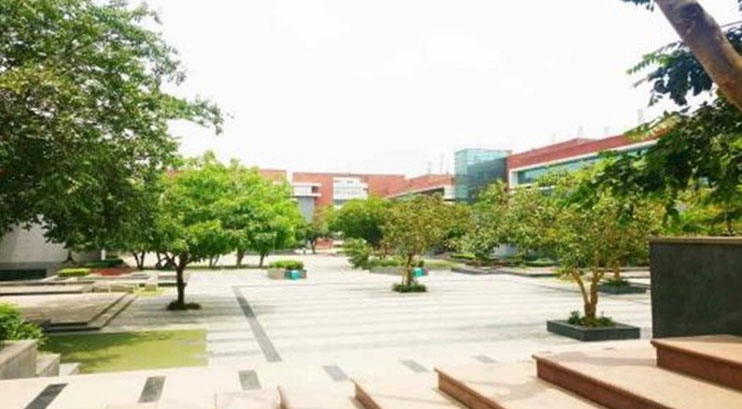

In conclusion, Amity University Haryana stands as a beacon of sustainable development, embodying the philosophy of living in harmony with nature. Situated amidst the ecologically rich Aravalli hills, the university seamlessly integrates environmental stewardship into its infrastructure and operations. By prioritizing biodiversity preservation, adopting renewable energy, and implementing eco-friendly practices, Amity sets a precedent for institutions worldwide. Its commitment to green innovation and ecological integrity not only enhances the quality of life on campus but also reinforces the vital connection between development and environmental conservation. As a leading institution of higher education, Amity University Haryana demonstrates how progress and sustainability can coexist, inspiring a future where growth is in perfect synchronization with nature.
AY 2023-2024
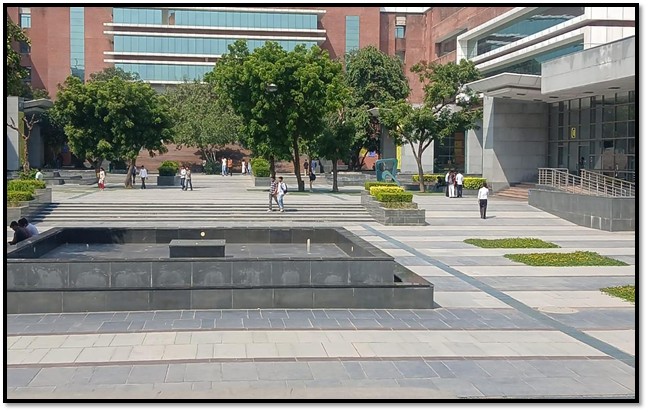
Amity University Haryana has a total land area of 110 acres. Out of this, only 36 acres are occupied by buildings and infrastructure, while the remaining 74 acres are dedicated to green spaces, which include trees, shrubs, lawns, and playgrounds. Mostly multipurpose trees are planted along the sides of the roads to provide an aesthetic look, shade, and environmental benefits. These trees are fast-growing, native, and easy to maintain. Commonly planted species include Alstonia, Shisham, Neem, Peepal Ficus, Sagwan, Poplar, Indian Mahogany, Frangipani, Pilkhan, Conocarpus, and Golden Bottle Brush.
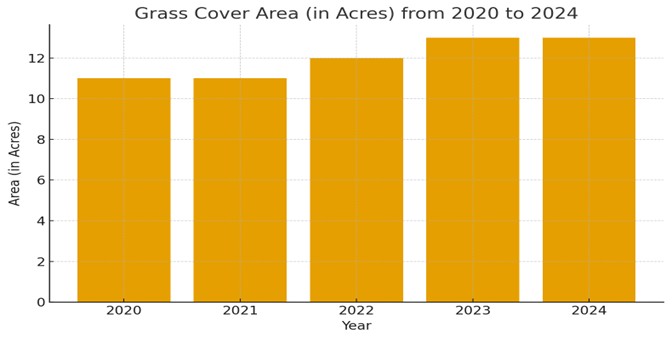
This graph represents that in 2020 and 2021, we had 11 acres (44,515.4 sq. m), in 2022 we had 12 acres (48,562.3 sq. m), and in 2023 and 2024 we had 13 acres (52,609.1 sq. m) of grass cover.
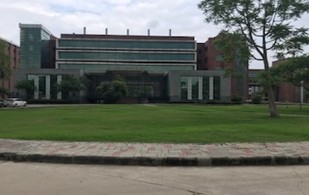
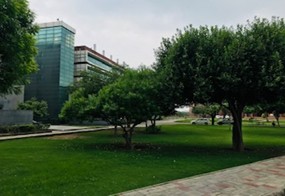

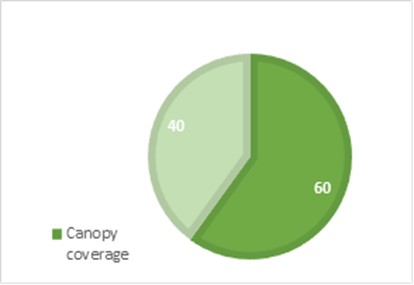
The green cover consists of trees and grass cover across the university, comprising 60% trees and 40% grass cover, as shown below.
“In August and September 2022, Amity University Haryana planted 1,500 native trees around the campus as part of its reforestation project, aimed at enhancing local biodiversity and improving air quality.”
Monitoring IUCN and Other Conservation Species
- The campus does not interfere with any endangered species and continuously monitors its land to ensure compliance with international and national conservation guidelines.
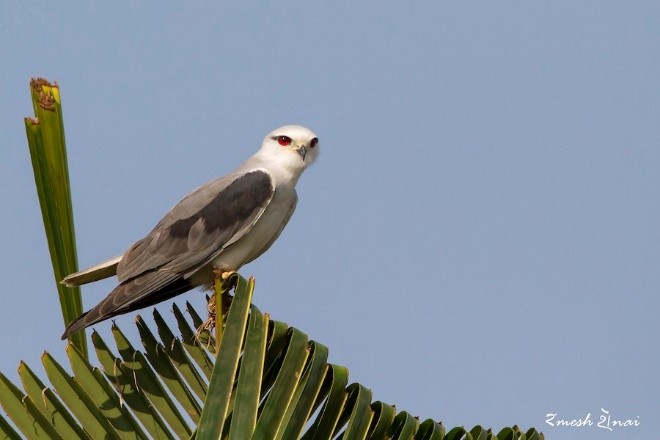
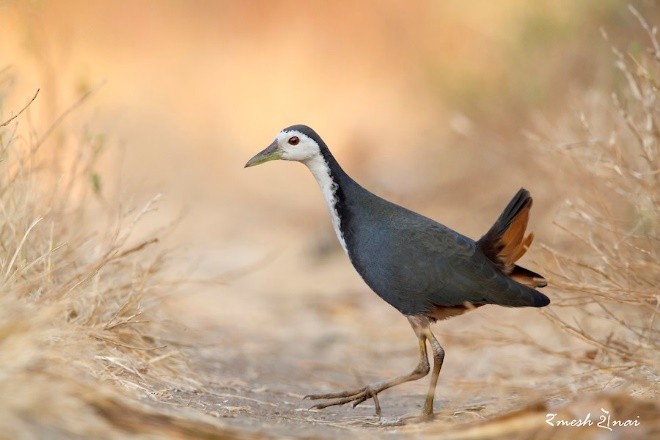
- The University actively monitors biodiversity on its campus, particularly species listed by the International Union for Conservation of Nature (IUCN). The campus is home to numerous birds, plants, and insects supported by initiatives such as the Herbal Garden and regular biodiversity audits.
Rich in Flora and Fauna
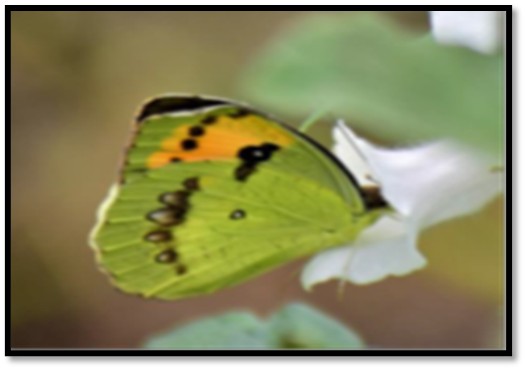
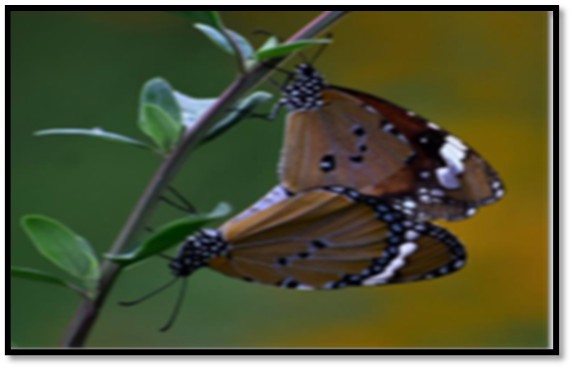
There are 155 different species of butterflies in the Gurgaon region, of which 80 are found at AUH.
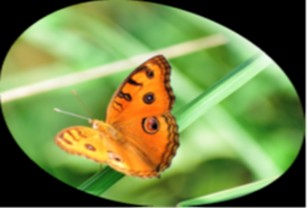
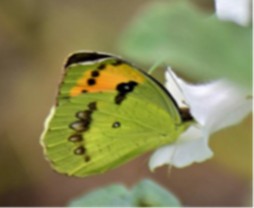
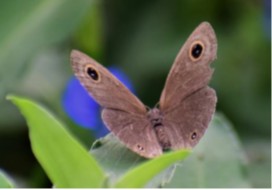
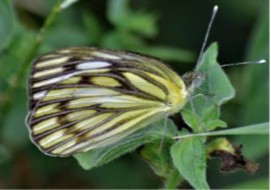
A Bird Habitat: The university has natural vegetation, a suitable water environment, pollution-free surroundings, open spaces, and fruit and nut plantations.
- Regular Survey & Documentation: 57
- Bird Diversity: 155 Species
- Campus Bird Count (most diverse in NCR)
Bird Species Growth Over the Years
2017 – 53 Species
2018 – 71 Species
2019 – 83 Species
2020 – 97 Species
2021 – 104 Species
2022 – 110 Species
2023 – 121 Species
2024 – 155 Species
- Diverse Avifauna
Native / Migratory (Summer / Winter)
Waterfowl / Herons / Shorebirds
Pigeons / Doves / Cuckoos / Barbets
Birds of Prey / Owls / Crows / Hornbills
Mynas / Wagtails / Flycatchers
Babblers / Parrots / Shrikes / Drongos
- Unique Birds
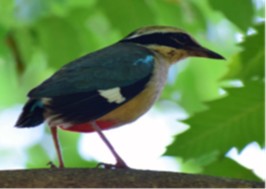
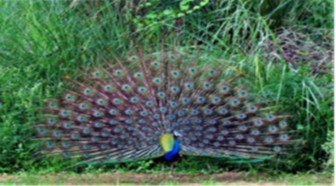
Indian Pitta, Small Minivet, Knob-billed Duck, Spotted Owlet, Red Avadavat, Peafowl
- Rich in Flora and Fauna: Amity campus in Aravalli hills records 155 species of birds as reported by The Hindu.
- https://www.thehindu.com/news/cities/Delhi/amity-campus-in-aravalli-hills-records-71-species-of-birds/article22926869.ece There are 155 different species of butterflies in Gurgaon region, of which 80 are in AUH.
- https://ebird.org/hotspot/L5441195?yr=all&m=null&rank=mrec
- https://ebird.org/hotspot/L5441195/bird-list
Collaboration for Shared Land Ecosystems
Amity University Haryana collaborates with the local community to conserve shared land and ecosystems. Through joint training programs, the university supports local farmers and community members in improving land use and protecting biodiversity.
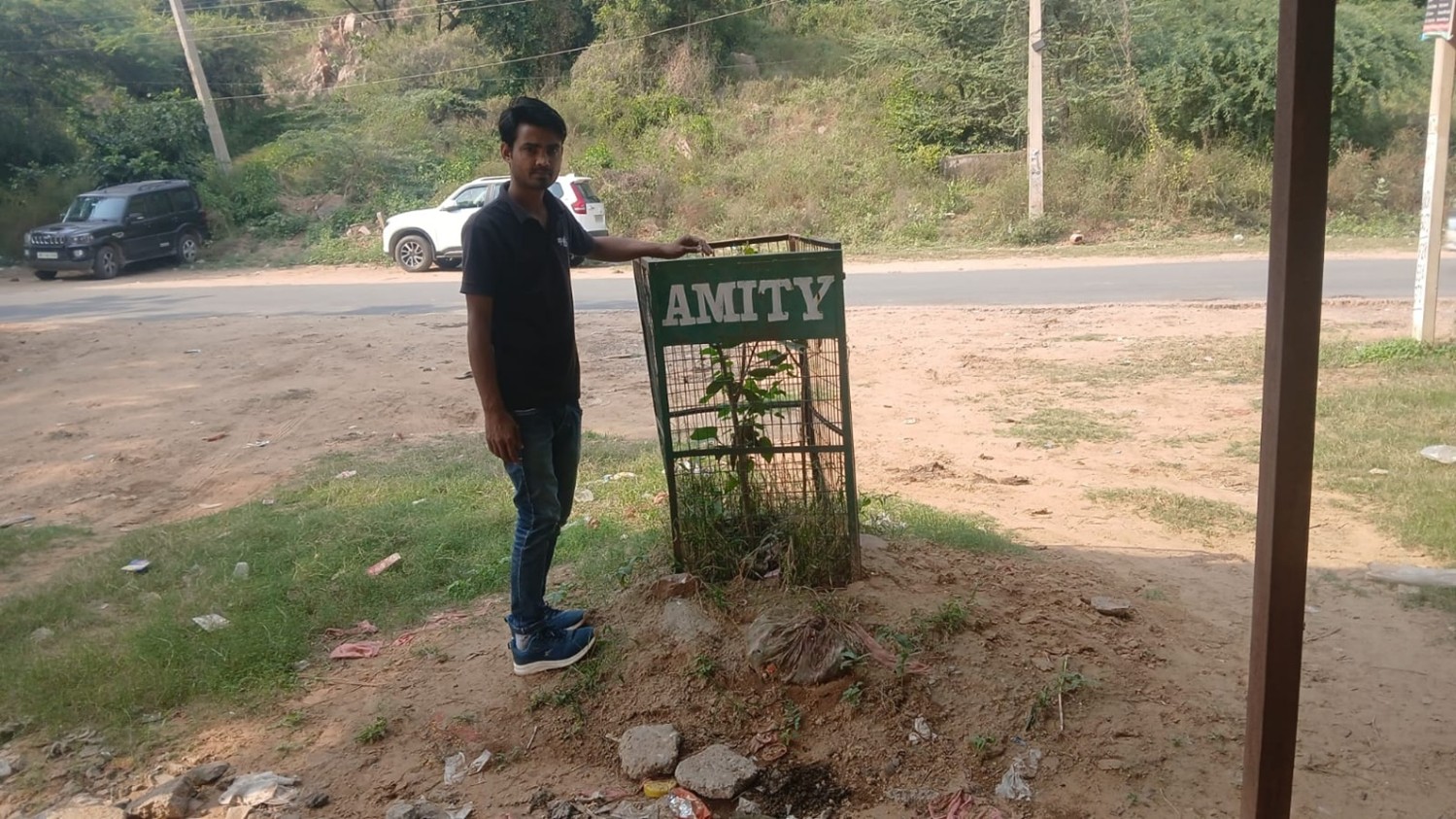
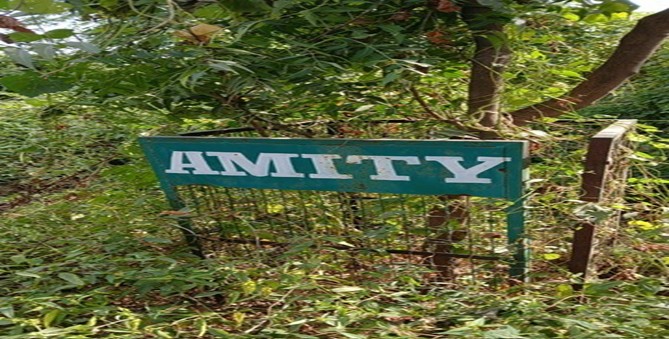
Plantation in Nearby Villages
- Programmes and Courses
- Sustainably Farmed Food on Campus
- Maintaining and Extending Current Ecosystems' Biodiversity
- Educational Programs on Ecosystems
- Sustainable Management of Land for Agriculture
- Local Biodiversity Included in Planning and Development
- Collaboration for Shared Land Ecosystems
- Water Discharge Guidelines and Standards
- Policies
- Reports
© 2021 Amity University Gurugram. All Rights Reserved.