AI Technology & Future Skills

By Dr Akshay Mudgal, Assistant Professor, Amity School of Computer Science and Engineering, Amity University Gurugram
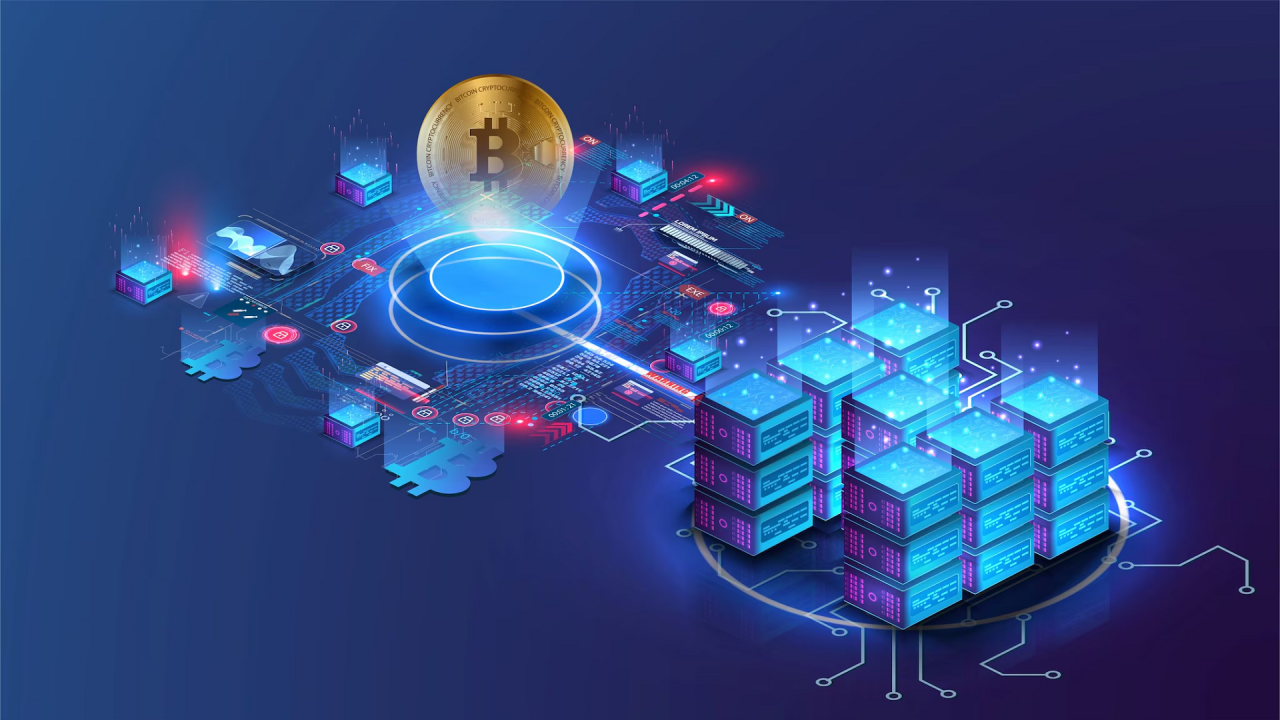
Introduction: When people hear the word blockchain, cryptocurrency is often the first thing that comes to mind. While digital currencies brought blockchain into the spotlight, they represent only one application of a much broader and more impactful technology. At its core, blockchain is a distributed, tamper-resistant ledger that enables secure, transparent, and trustworthy record-keeping without relying on a central authority. Today, industries far beyond finance are exploring blockchain to solve long-standing problems—especially in supply chain management and digital identity.
For students and educators, understanding blockchain beyond crypto is important because it highlights how foundational technologies evolve and find relevance across multiple domains. Blockchain is less about money and more about trust, transparency, and accountability in digital systems.
Blockchain works by storing data in blocks that are linked together using cryptographic techniques. Once information is recorded, it becomes extremely difficult to alter without the agreement of the network. This immutability makes blockchain especially useful in environments where multiple parties need to share data but do not fully trust one another. Unlike traditional databases controlled by a single organization, blockchain allows all participants to access a shared, verifiable version of the truth.
One of the most promising non-financial applications of blockchain is supply chain management. Modern supply chains are complex networks involving manufacturers, suppliers, logistics providers, distributors, and retailers—often spread across different countries. Tracking the movement of goods through this network is challenging, and a lack of transparency can lead to delays, fraud, counterfeiting, and inefficiencies.
Blockchain addresses these issues by providing a single, shared ledger that records every transaction or movement of goods along the supply chain. Each participant can add verified data, such as the origin of raw materials, manufacturing details, shipping information, and storage conditions. Once recorded, this data cannot be altered, creating a reliable history of the product’s journey.
This level of traceability is particularly valuable in industries such as food, pharmaceuticals, and electronics. For example, in the food supply chain, blockchain can help identify the source of contamination within minutes instead of days. In the pharmaceutical industry, it can help combat counterfeit drugs by verifying the authenticity of products at every stage. For consumers, blockchain-enabled supply chains increase trust by providing visibility into where products come from and how they are produced.
Another important benefit of blockchain in supply chains is automation through smart contracts. Smart contracts are self-executing programs stored on the blockchain that automatically enforce predefined rules. For instance, a payment can be released automatically when goods reach a certain location or pass a quality check. This reduces paperwork, speeds up transactions, and minimizes disputes between parties.
Despite its advantages, blockchain adoption in supply chains is not without challenges. Integrating blockchain with existing systems can be complex, and ensuring accurate data entry remains critical—blockchain can secure data, but it cannot guarantee that incorrect data was not entered in the first place. These challenges provide valuable learning opportunities for students studying systems design and data governance.
Beyond supply chains, blockchain is also reshaping how we think about digital identity. In today’s digital world, individuals rely on centralized organizations—such as governments, banks, or online platforms—to manage their identities. This approach creates security risks, as large databases of personal information become attractive targets for cyberattacks. It also limits user control over personal data.
Blockchain introduces the concept of decentralized or self-sovereign identity, where individuals own and control their digital identities. Instead of storing identity information in a single central database, blockchain allows identity credentials to be securely recorded and verified in a decentralized manner. Users can choose what information to share, with whom, and for how long.
For example, a student could use a blockchain-based identity to prove their academic credentials without revealing unnecessary personal details. Employers or institutions could instantly verify the authenticity of these credentials without contacting the issuing organization. This approach reduces fraud, simplifies verification processes, and enhances privacy.
Blockchain-based identity systems are also valuable in providing digital identities to people who lack formal identification, particularly in developing regions. A secure and portable digital identity can improve access to education, healthcare, and financial services. From a societal perspective, this demonstrates how blockchain can support inclusion and empowerment.
The use of blockchain in identity management also strengthens cybersecurity. Since identity records are cryptographically secured and distributed, there is no single point of failure. Even if one node is compromised, the integrity of the overall system remains intact. This makes blockchain a strong foundation for secure authentication and access control systems.
While the potential of blockchain beyond crypto is significant, it is important to understand its limitations. Blockchain systems can face scalability issues, regulatory uncertainty, and energy consumption concerns, depending on the underlying design. Not every problem requires a blockchain solution, and careful evaluation is necessary to determine when its benefits outweigh the costs.
For students and educators, blockchain offers an excellent case study in interdisciplinary innovation. It combines concepts from computer science, cryptography, networking, economics, and law. Exploring real-world applications such as supply chains and identity systems helps learners move beyond hype and understand how technology creates value in practical contexts.
In conclusion, blockchain is far more than a platform for cryptocurrencies. Its ability to create transparent, secure, and decentralised systems makes it a powerful tool for transforming supply chains and redefining digital identity. As industries continue to seek trustworthy and efficient digital solutions, blockchain’s role beyond crypto will only grow. For the next generation of technologists and researchers, understanding these applications is key to building systems that are not only innovative but also fair, secure, and resilient.
******
Copyright © 2026 amity university | All rights reserved.