AI Technology & Future Skills

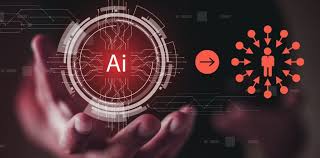
By Dr Shalani Bhaskar Bajaj, Amity School of Computer Science and Engineering, Amity University Gurugram
Introduction: These days, we experience AI as a part of our daily teaching-learning experiences. We are observing how AI is reshaping the way knowledge is delivered and being absorbed by the subjects using smart classrooms and personalised learning tools. In actuality, the real value of AI does not lies in its advancement but what makes the difference is how thoughtfully and responsibly it can be used, especially in education, where we shape the young minds and thus the trajectory of the future.
Putting People, Values, and Learning at the Heart of Artificial Intelligence
These days AI has moved out from science fiction books, movies or advanced research labs. Practically speaking, AI has become part of our everyday lives. AI has changed lives of all including teachers in helping assignment checking, doctors in assisting in diagnostics, students in learning through personalised education platforms, and even recommending YouTube videos while we entertain ourselves. From here, as AI is becoming powerful and being used widespread, as a civilisation, arise a big question for us to think: Is AI being designed to make our lives comfortable or, are we as humans, are slowly adjusting ourselves to AI?
This question brings us to the point which forces us to think about the idea of developing Human Centric and Responsible AI. This means developing AI systems that can respect human values, protect rights, supports learning and thus benefit society as a whole. The article focuses on explaining human centric and responsible AI, its importance in schools and how students and teachers can practice it in real life for benefit of society as a whole.
Human Centric AI
Human Centric AI systems are the systems that can serve human needs, abilities, well-being and not replace or control humans. Putting it in a simpler way, we should design AI systems that should assist humans rather than dominating them, should not follow blind automation rather support decision making, should respect human emotions and dignity, should be able to adapt diverse learners and teachers, should keep humans for any important decisions. In the context of schools, for example, selecting an AI tool that could suggest learning resources to the teachers and allow them to choose the ones that fits their students best. Another example could be, a learning app that could adjust difficulty levels for individual students rather than forcing everyone to learn the same way. The objective of human centric AI should be to recognise the technology that can be empathetic, inclusive and flexible.
Responsible AI
Responsible AI focusses on how AI is developed, trained and used safely and ethically. Whenever we develop AI, we should ask questions such as: Is our designed AI algorithm going to protect privacy of users ? Is it fair to all ? Who is accountable, if something goes wrong ? Will we be able to explain the decisions taken by it ? Therefore, while developing responsible AI we should look for the fairness, transparency, privacy, safety and accountability of the software we developed. We should try to build and use AI systems in schools that supports learning without creating pressure, fear or inequality among students.
Reason Why Human-Centric and Responsible AI Matters in Education
Children studying in school are quite young and adaptable. Therefore, this brings in more responsibility on the school authorities to use Human Centric and Responsible AI as schools shape not just careers, but values, thinking patterns, and citizens for the nation. If AI is introduced carelessly, it can create serious problems such as: reduced critical thinking among students, over dependence on machines for getting solution to small problems, loss of creativity among students, privacy violations and the most important unfair assessment of students while on the other hand well designed AI systems can not only support teachers but also help students by making personalised learning experience for them, identify learning gaps at the early age, rectifying them, thus, making education more inclusive in nature.
Difference between AI and a Teacher: AI Is a Tool, Not a Teacher
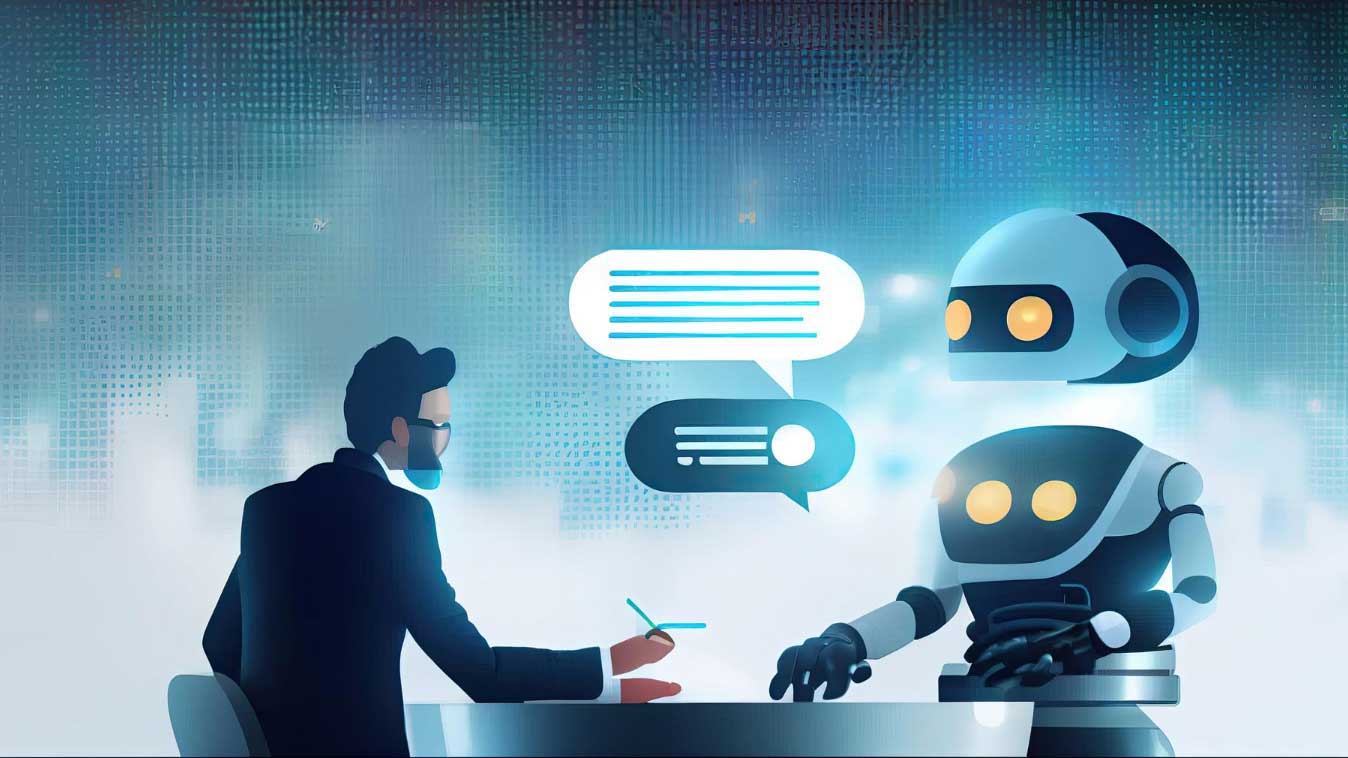
The greatest misunderstanding is the belief among the people is that AI can replace teachers. But in reality, teachers are quite different from AI: teachers have wisdom while AI has just data, teachers can understand emotions but AI can only process information, teachers can nurture curiosity and values among students while AI can only follow patters. Thus, we can say that AI can aid in teaching but it cannot replace human connection. For example, AI can help in generating practice questions but it cannot inspire empathy and confidence among students; it can check the grammar of a given sentence but it cannot understand the fear of examination with which the student is dealing. Thus, AI cannot replace teachers, as the teachers are the emotional and moral anchor of the education system.
Takeaways: Responsible Use of AI by Students
Students these days can access a number of AI tools that can help them answer questions, write essays, solve complex problems, summarise chapters and much more. Though these tools are quite powerful but their use should be done responsibly. Students can use AI to understand the concepts, cross check the information from textbooks and teachers. This will help them improve their capabilities further but at the same time, they should refrain themselves from copying the content from AI and submitting it as their own work, students should not be dependent on AI for submitting their exams and assignments and should use their critical thinking before believing AI without thinking. When we say human centric learning, we actually means keeping the brain active and taking support of AI for growth, it never means replacing your efforts.
Takeaways: Responsible Use of AI by Teachers
How students interact with AI depends on teachers, as teachers play a vital role in introducing AI to the students. There are a number of positive uses of AI for teachers such as identifying slow learners early, preparing lesson plans and worksheet for students, helping students get personalised feedback, managing their administrative load. This does not mean that teachers should be fully dependent on AI. They should rather use AI responsibly by always reviewing AI generated content before using it, they should be transparent with their students regarding AI usage, teachers can make student understand the ethical boundaries of AI and show them how to use AI wisely and thoughtfully.
Fairness and Bias: An Important Concern
The problem with AI systems is that it takes decisions based on data stored at the backend and if the data is skewed or biased the decisions taken by AI will automatically be biased. For example, facial recognition system not working equally for all skin types, grading system based on AI may be favouring certain writing styles, and many more such examples. In the field of education, it can harm students from different backgrounds or students with disabilities. Thus, human centric approach of AI suggests to use AI as a support system and thus not a final judge as fairness must always come before efficiency.
Privacy and Data Protection in Schools
With the help of AI systems, we can collect attendance, learning behaviour, performance records and personal information of students. Responsible AI must ensure that the data be collected only when necessary and should be kept secure. At the same time, information recorded should not be misused or shared without consent. It is the responsibility of the school to ensure that the students should understand digital responsibility. Schools must make students aware about their rights and risks in the digital world. The simple rule to be remembered: Just because data can be collected does not mean it should be used.
Building AI Literacy in Schools
Human centric AI does not deals with complex coding education to everyone rather its about AI literacy which means understanding how AI functions and its effect on a society and an individual. AI literacy includes understanding of ethical issues, making informed choices, asking critical questions, knowing what AI can and cannot do, and thus become confident users that can avoid misuse of AI and develop as responsible citizens of the country.
Preparing Students for the Future
It is our responsibility to prepare the students for the future as the future does not belong to those who knows how to use AI but rather it belongs to those who can think critically, can act ethically and can collaborate creatively in order to make human centric decisions. Human centric and responsible AI education shall make thoughtful innovators, ethical leaders, responsible citizens and lifelong learners.
Keeping
Humanity at the Core
AI is a very powerful invention but human values must guide its direction. The objective of teaching human centric and responsible AI at the school level is to enhance their learning capability, reduce inequality among them, support creativity and thus strengthen human potential. The ultimate objective of human centric and responsible AI is to let student remain thinkers, not followers; promote teachers to remain mentors, not supervisors; and let technology remains as a tool, not a master. We should always remember, when used without care, it can weaken the trust, fairness and learning itself. The choice lies with us. We should let AI be intelligent but we must let education remain deeply human.
******
Copyright © 2026 amity university | All rights reserved.