AI Technology & Future Skills

By Dr Akshay Mudgal Amity school of Computer Science and Engineering) Amity University Gurugram
Introduction: The rapid growth of the Internet of Things (IoT) has transformed how devices interact with the physical world. From smart homes and wearable health monitors to industrial automation and smart cities, billions of connected devices now collect and exchange data continuously. While this connectivity enables powerful applications, it also introduces serious challenges—especially related to latency, bandwidth, and security. This is where Edge Computing plays a critical role, not only in improving performance but also in strengthening IoT security.
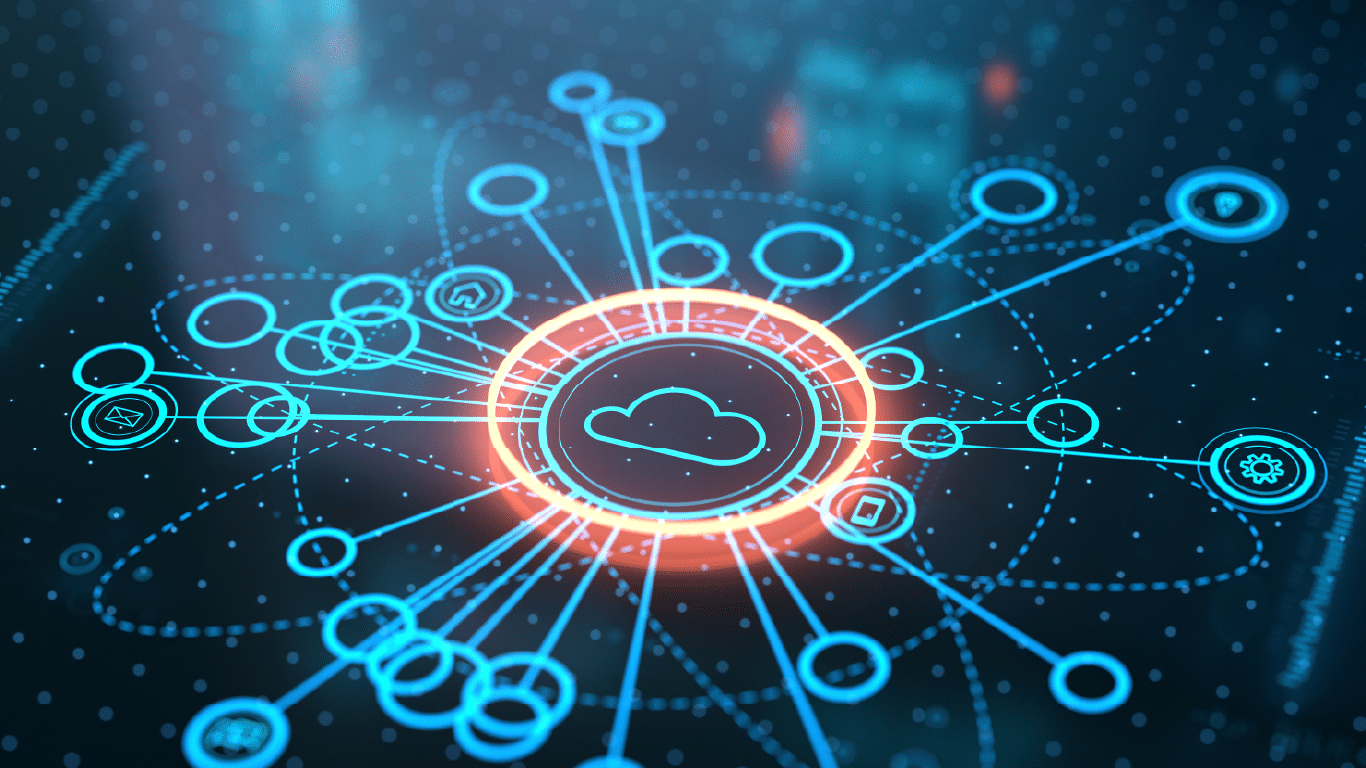
Edge computing refers to the practice of processing data closer to where it is generated, rather than sending everything to centralised cloud servers. When combined with IoT systems, edge computing reshapes how data is handled, stored, and protected. Understanding this relationship is essential for students and educators exploring modern computing architectures and cybersecurity.
IoT systems typically consist of sensors, actuators, embedded devices, communication networks, and cloud platforms. These devices collect sensitive data such as location, health metrics, industrial parameters, or environmental readings. In traditional cloud-based models, this data is transmitted over networks to distant data centres for processing. While effective, this approach increases latency, consumes bandwidth, and exposes data to multiple attack points during transmission.
Edge computing addresses these limitations by moving computation, analytics, and decision-making closer to the IoT devices themselves. Edge nodes—such as gateways, local servers, or even intelligent sensors—process data locally or near the source. Only essential or aggregated information is sent to the cloud. This architectural shift has important implications for security, as it reduces dependence on centralized systems and limits unnecessary data exposure.
From a security perspective, IoT devices are often considered weak points. Many devices have limited processing power, minimal memory, and are deployed in uncontrolled environments. As a result, they may lack strong encryption, regular updates, or robust authentication mechanisms. Attackers can exploit these weaknesses to gain unauthorized access, steal data, or launch large-scale attacks such as distributed denial-of-service (DDoS).
Edge computing helps mitigate some of these risks by introducing localized security controls. Instead of relying solely on cloud-based security, edge systems can perform real-time monitoring, anomaly detection, and access control close to the devices. This enables faster response to threats and reduces the attack surface. For example, malicious traffic can be detected and blocked at the edge before it spreads through the network.
Another important advantage of edge computing is reduced data movement. Since sensitive data does not always need to travel across public networks, the risk of interception and data leakage is lower. This is particularly important in applications such as healthcare, smart grids, and industrial systems, where data confidentiality and integrity are critical. By keeping data local whenever possible, organizations can better comply with privacy regulations and security policies.
Edge computing also supports real-time security decision-making. In many IoT applications, delays caused by cloud communication are unacceptable. Autonomous vehicles, industrial robots, and medical monitoring systems require immediate responses. Edge-based security analytics can detect abnormal behavior—such as unusual sensor readings or unauthorized access attempts—and trigger protective actions instantly. This capability improves system resilience and safety.
However, while edge computing enhances IoT security, it also introduces new challenges. Edge environments are often highly distributed, with many nodes spread across different locations. Managing security policies, updates, and configurations across such a distributed system can be complex. Each edge node becomes a potential target for attackers if not properly secured.
Some of the key IoT
security challenges that edge computing must address include:
To address these issues, edge-based IoT security solutions often combine multiple techniques. Encryption is used to protect data at rest and in transit. Strong authentication mechanisms ensure that only trusted devices and users can access the system. Secure boot and hardware-based security modules help prevent unauthorized firmware modifications. In addition, machine learning algorithms deployed at the edge can analyze behavior patterns and identify potential attacks.
Artificial intelligence plays an increasingly important role in edge-based IoT security. By analyzing data locally, AI models can learn normal system behavior and detect anomalies without sending raw data to the cloud. This not only improves privacy but also reduces response time. For students, this highlights the growing intersection between cybersecurity, AI, and distributed computing.
Edge computing also supports a layered security approach. Instead of relying on a single defense mechanism, security is implemented at multiple levels—device, edge, network, and cloud. If one layer is compromised, others can still provide protection. This defense-in-depth strategy is particularly effective in large-scale IoT deployments.
From an educational and research perspective, edge computing and IoT security offer valuable learning opportunities. Students can experiment with real-world scenarios such as securing smart sensors, building edge-based intrusion detection systems, or analyzing attack patterns in distributed environments. Faculty can use these topics to encourage interdisciplinary learning, combining concepts from computer networks, embedded systems, cybersecurity, and data analytics.
Despite its benefits, edge computing is not a complete solution to IoT security. It must be carefully designed and integrated with cloud services and organisational policies. Security standards for edge and IoT systems are still evolving, and interoperability between devices from different manufacturers remains a challenge. These limitations make the field dynamic and open to innovation.
Looking ahead, the importance of edge computing in securing IoT systems will continue to grow. As the number of connected devices increases and applications become more critical, centralized security models alone will not be sufficient. Edge-based intelligence will be essential for building scalable, responsive, and secure IoT ecosystems.
In conclusion, edge computing and IoT security are deeply interconnected. By processing data closer to the source, edge computing not only improves performance but also strengthens security through reduced data exposure, faster threat detection, and localized control. For students and educators, understanding this relationship is key to preparing for future careers in computing, cybersecurity, and intelligent systems. As technology continues to evolve, secure edge-enabled IoT systems will play a central role in shaping a smarter and safer digital world.
******
Copyright © 2026 amity university | All rights reserved.