25 Nov 2026|Noida | Amity University, Noida
Experts Highlight Sustainable Harvesting and Commercial Opportunities in Medicinal Plants, during a Training Programme at Amity University
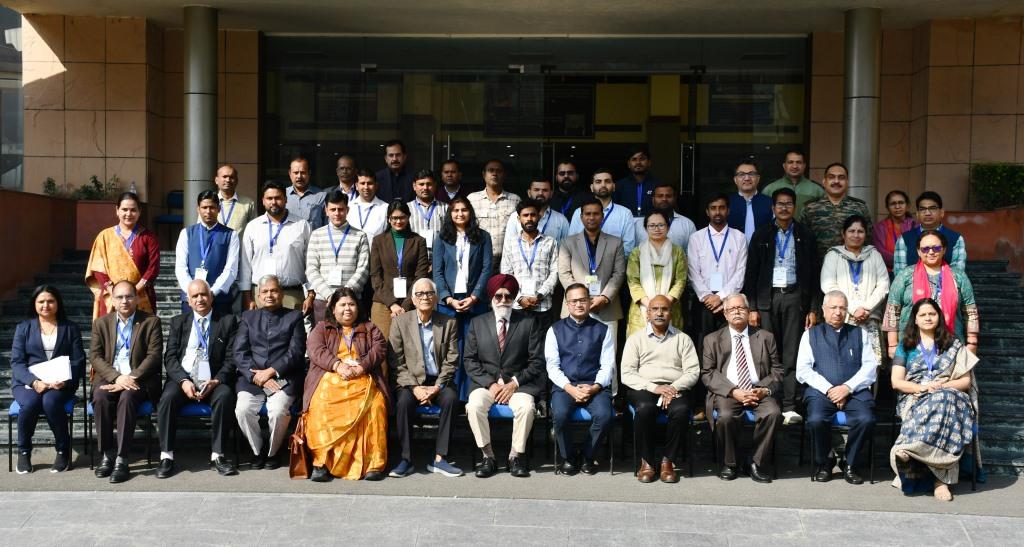
Amity Institute of Environment and Sustainability, and Amity Institute of Phytochemistry and Phytomedicine, Amity University Noida campus organized a three-day Training Programme on “Value Addition in Harvesting of Medicinal Plants and Commercial Utility Products” for 30 officers such as technical officers, junior scientists, project officers, section engineers and NGO representatives from institutions, including Forest Departments, CSIR, Horticulture Departments and State Medicinal Plants Boards. The programme aims to equip the officers with practical knowledge and perspectives on sustainable harvesting, post-harvest management, value addition and commercial utilisation of medicinal plants, while fostering conservation-oriented approaches and economic opportunities in the medicinal plant sector.
Inaugurating the Training Programme, Dr. G.S. Goraya, Former Principal Chief Conservator of Forests, Himachal Pradesh, stated that value addition begins with the correct identification and collection of medicinal plants, followed by cleaning, drying, sizing, grading and packaging. Highlighting the importance of market demand and sustainable collection practices, he encouraged participants to utilise the training to strengthen their field-level expertise.
Dr. Balvinder Shukla, Vice Chancellor, Amity University Uttar Pradesh, highlighted the enduring relevance of medicinal plants and their growing commercial potential. She emphasised Amity's commitment to enhancing the livelihoods of farmers, tribal communities, youth and women, and encouraged participants to apply the knowledge gained in their professional roles.
Sharing his views on the occasion, Dr. Abduz Kayum, Deputy Chief Executive Officer, National Medicinal Plants Board, Government of India, emphasized upon the growing importance of medicinal plants in traditional medicine, the herbal industry, livelihood generation and health security. He shared that approximately 1,178 medicinal plant species are traded in India, out of which 242 species have an annual consumption exceeding 100 metric tonnes.
Addressing the participants, Mr. J.A.C.S. Rao, Chief Executive Officer, Chhattisgarh Tribal, Local Health Traditions and Medicinal Plants Board, stressed the potential of medicinal plants in enhancing farmers' income and discussed the value chain from cultivation to finished products, along with opportunities for entrepreneurship and startups.
Mr. S.N. Tyagi, Former Additional Principal Chief Conservator of Forests, Gujarat, stressed the need to understand the ecological requirements of medicinal plants, select suitable species for cultivation and address challenges related to production and post-harvest drying facilities.
Dr. J.C. Kala, Advisor, Amity Institute of Global Warming and Ecological Studies, and Dr. S.P. Singh, Mentor, Amity Institute of Environment and Sustainability, also shared their perspectives. The technical sessions will cover topics such as “Medicinal Plants: An Overview of Trade, Threats and Conservation”, “World Health Organization guidelines on good cultivation and collection practices”, “Post Harvesting Procedures, Practices and Problems – An Overview”, “Quality Control and Standardization – Role of Post Harvesting Methods”, “Impact of Innovative Concept in MAPs Cultivation for Livelihood Promotion”, “Medicinal Plants in Veterinary Healthcare: Business and Scientific Perspectives”, amongst others.